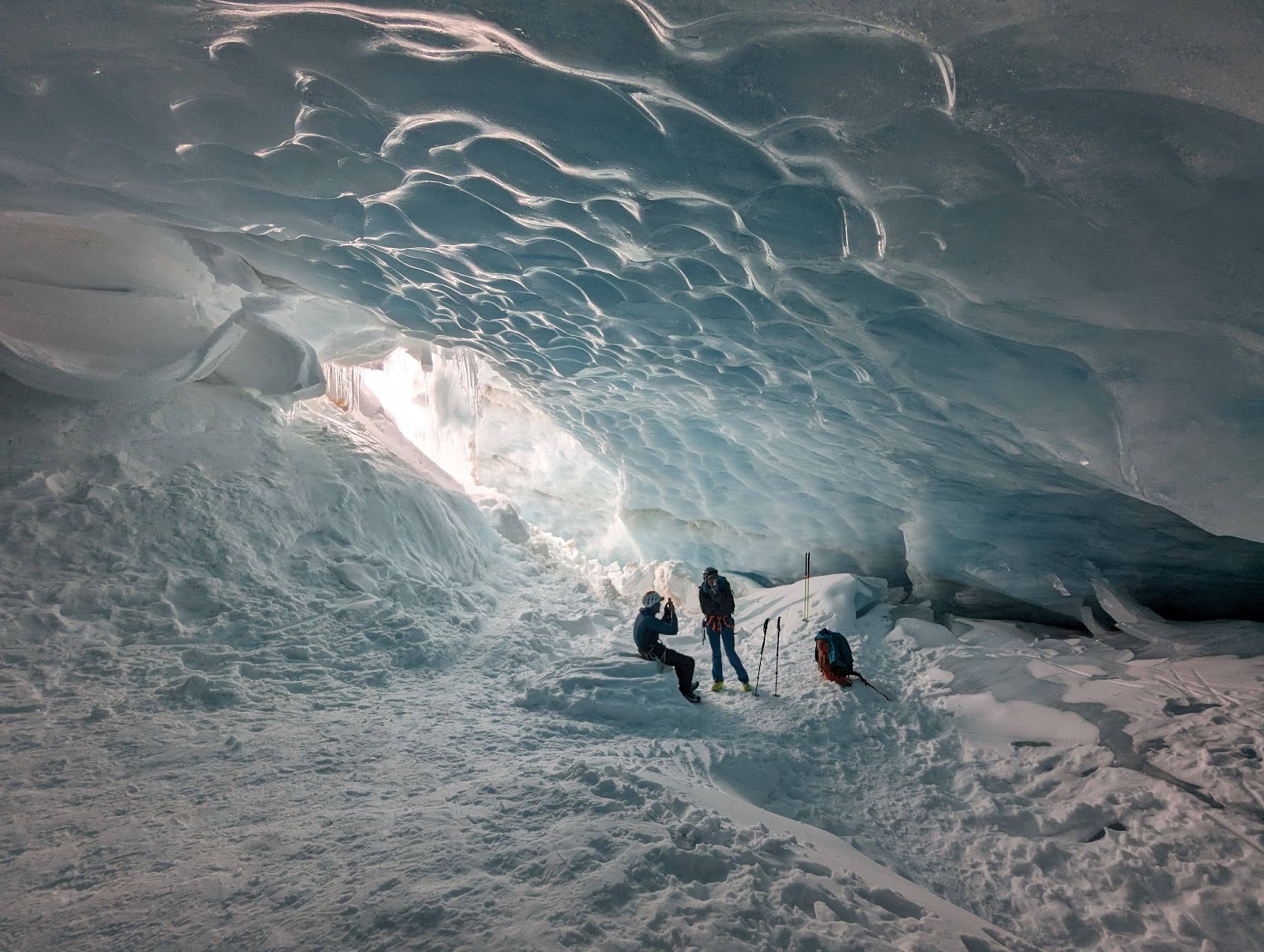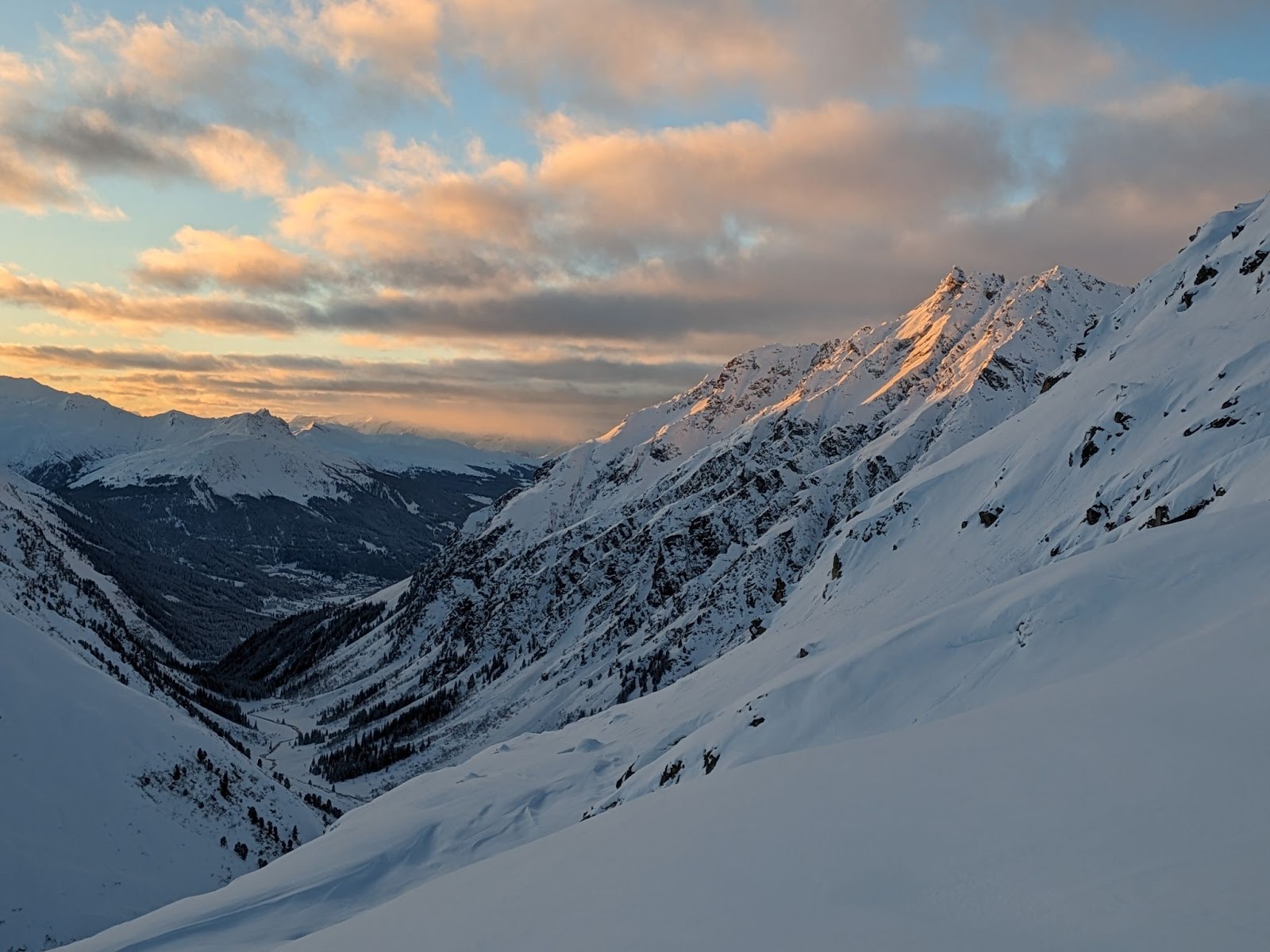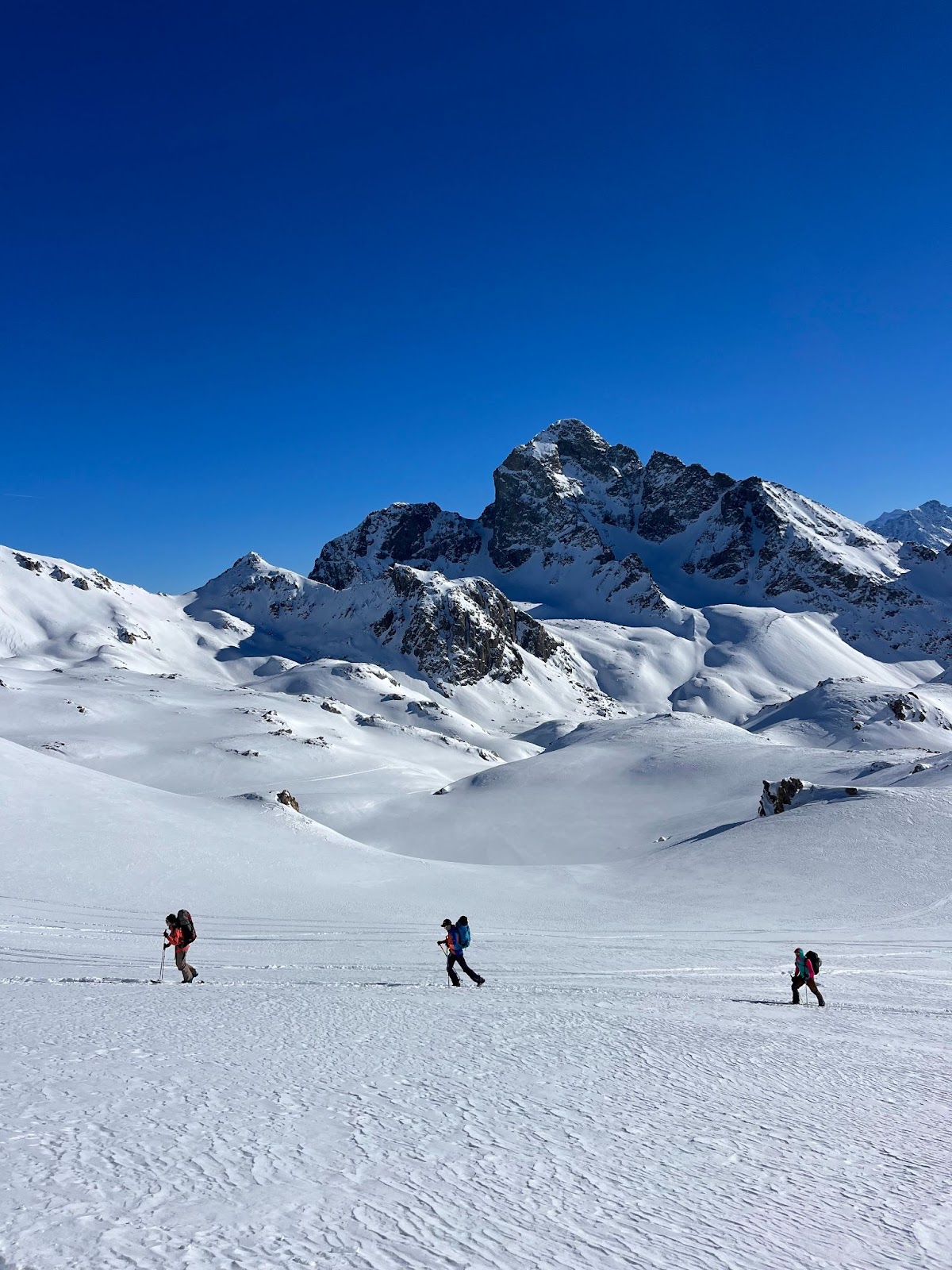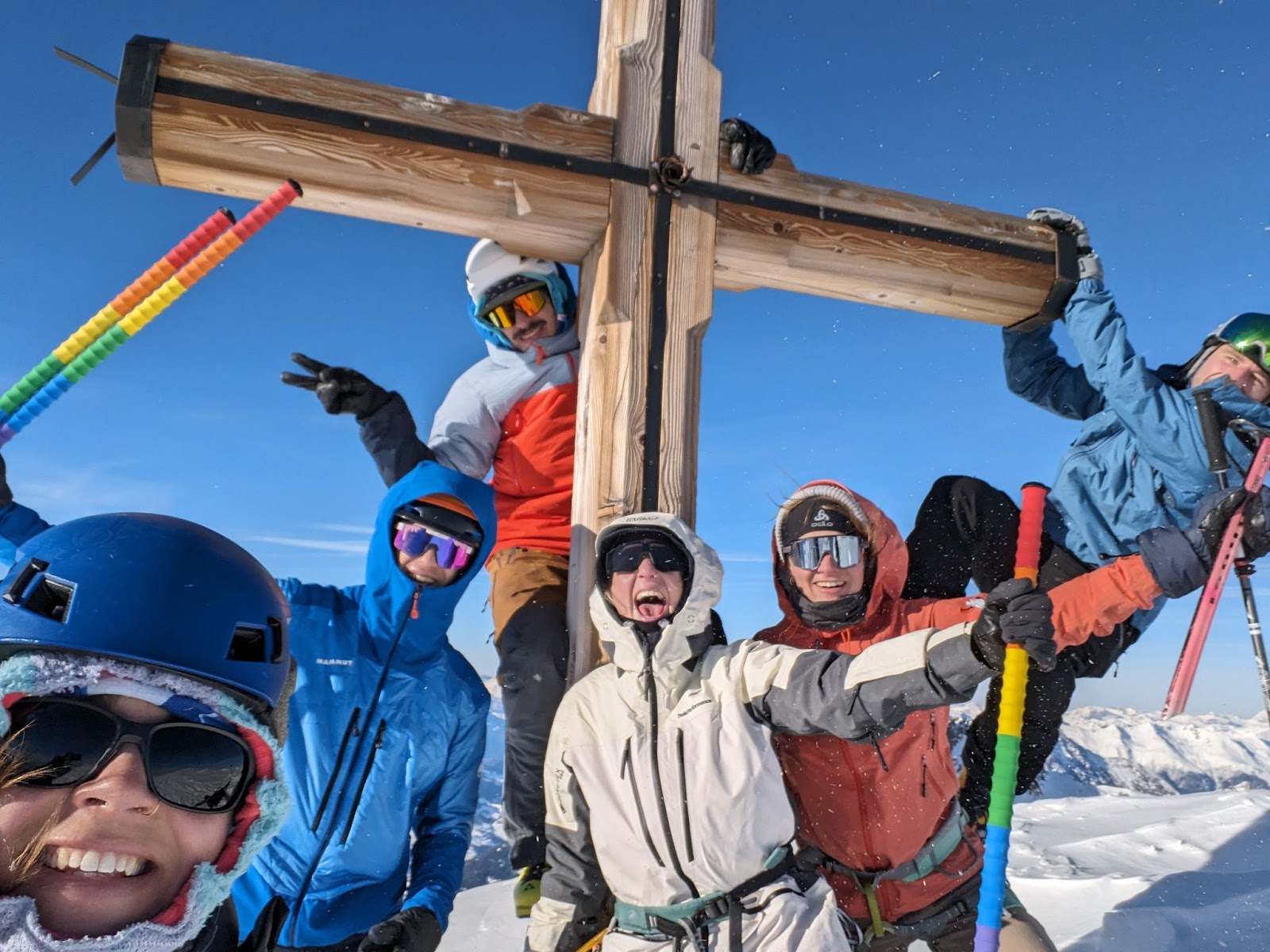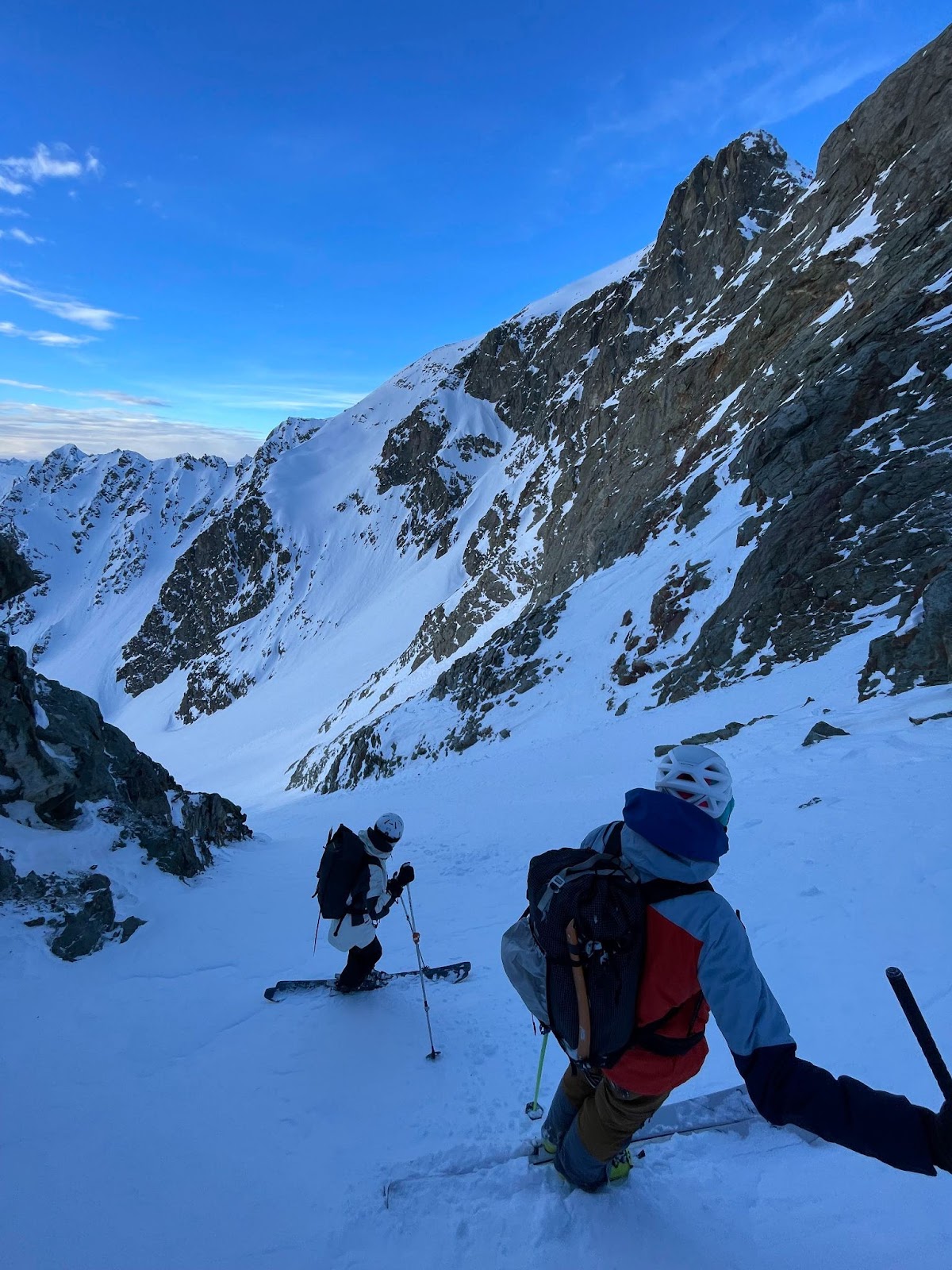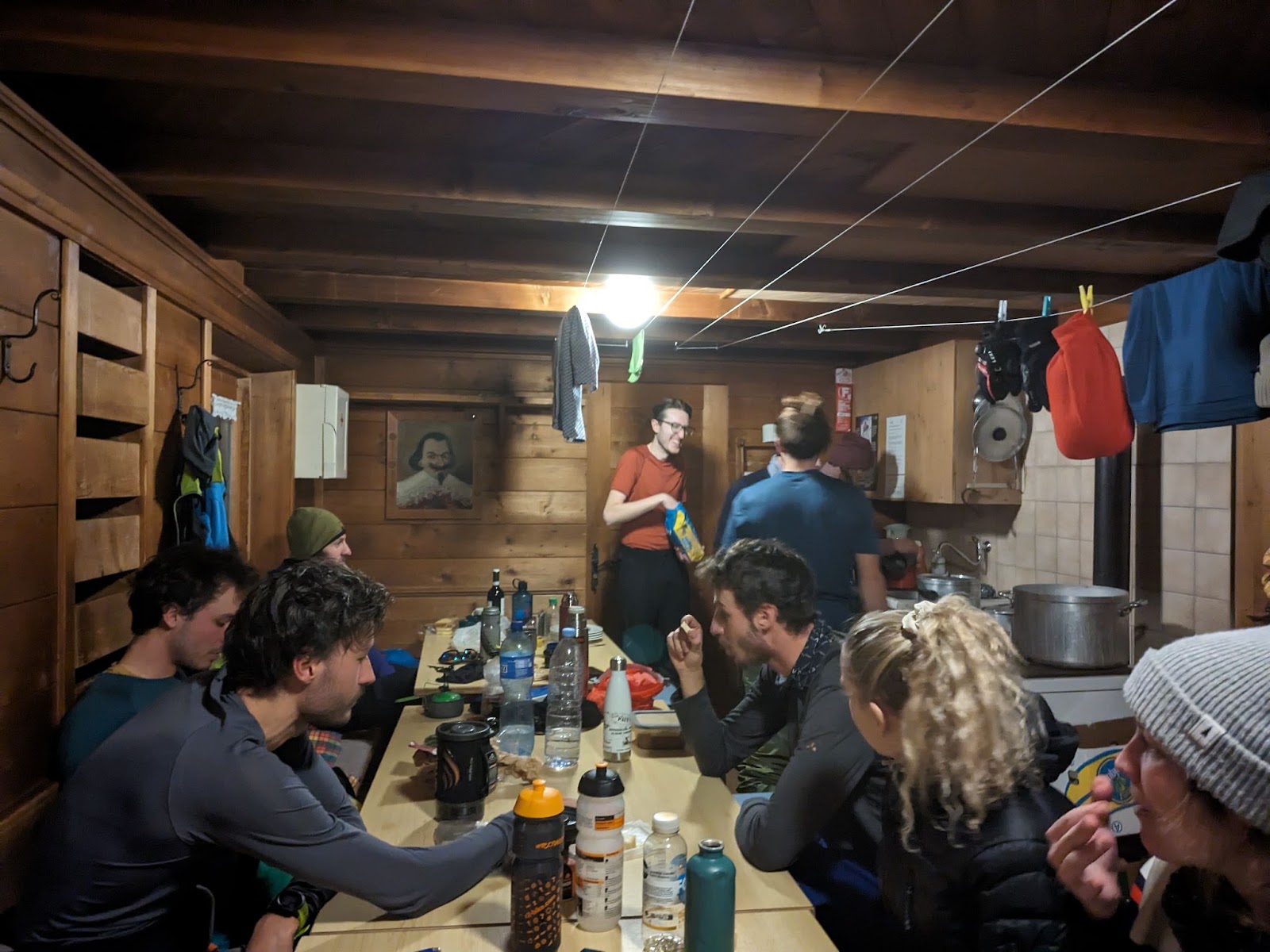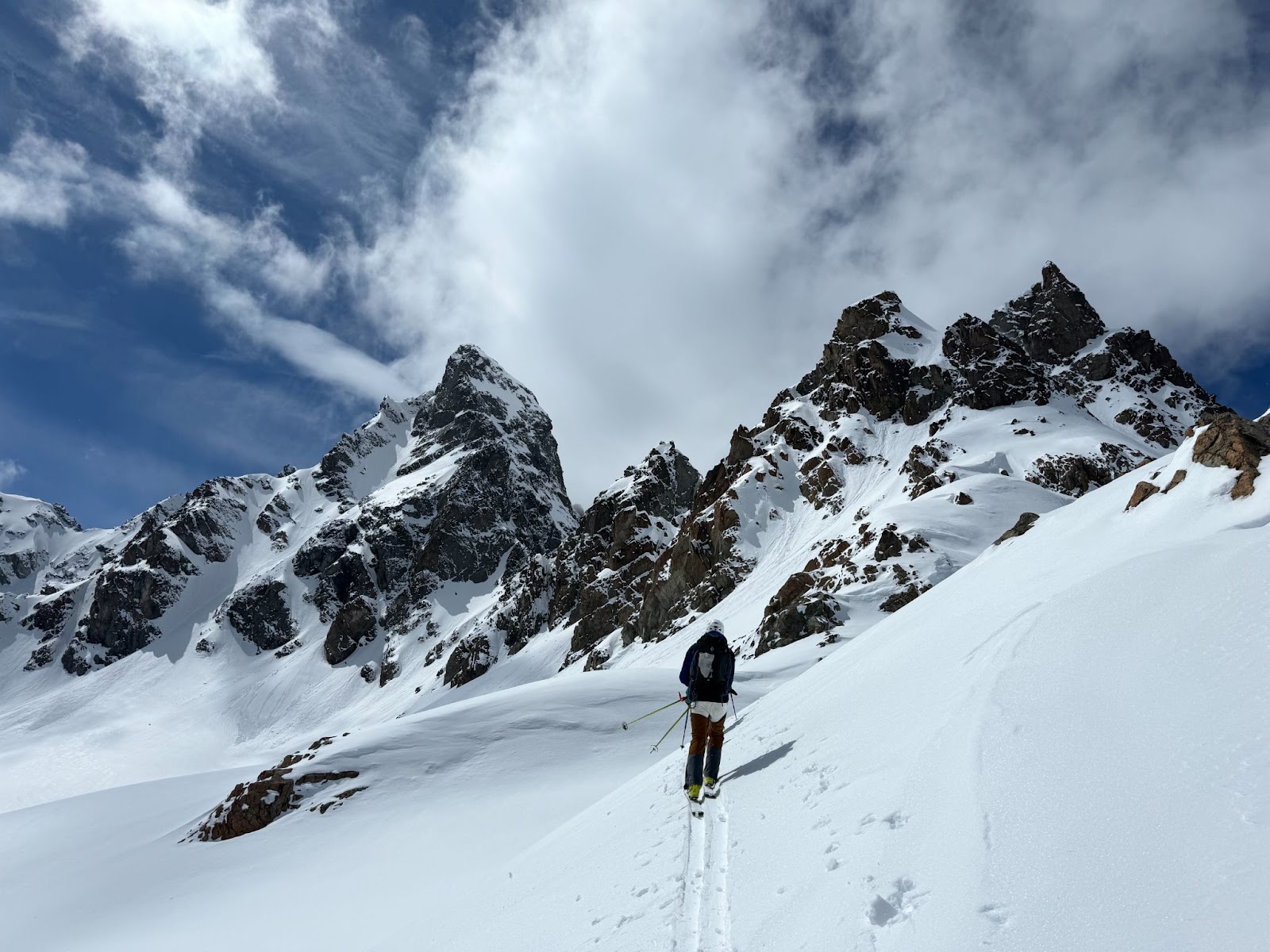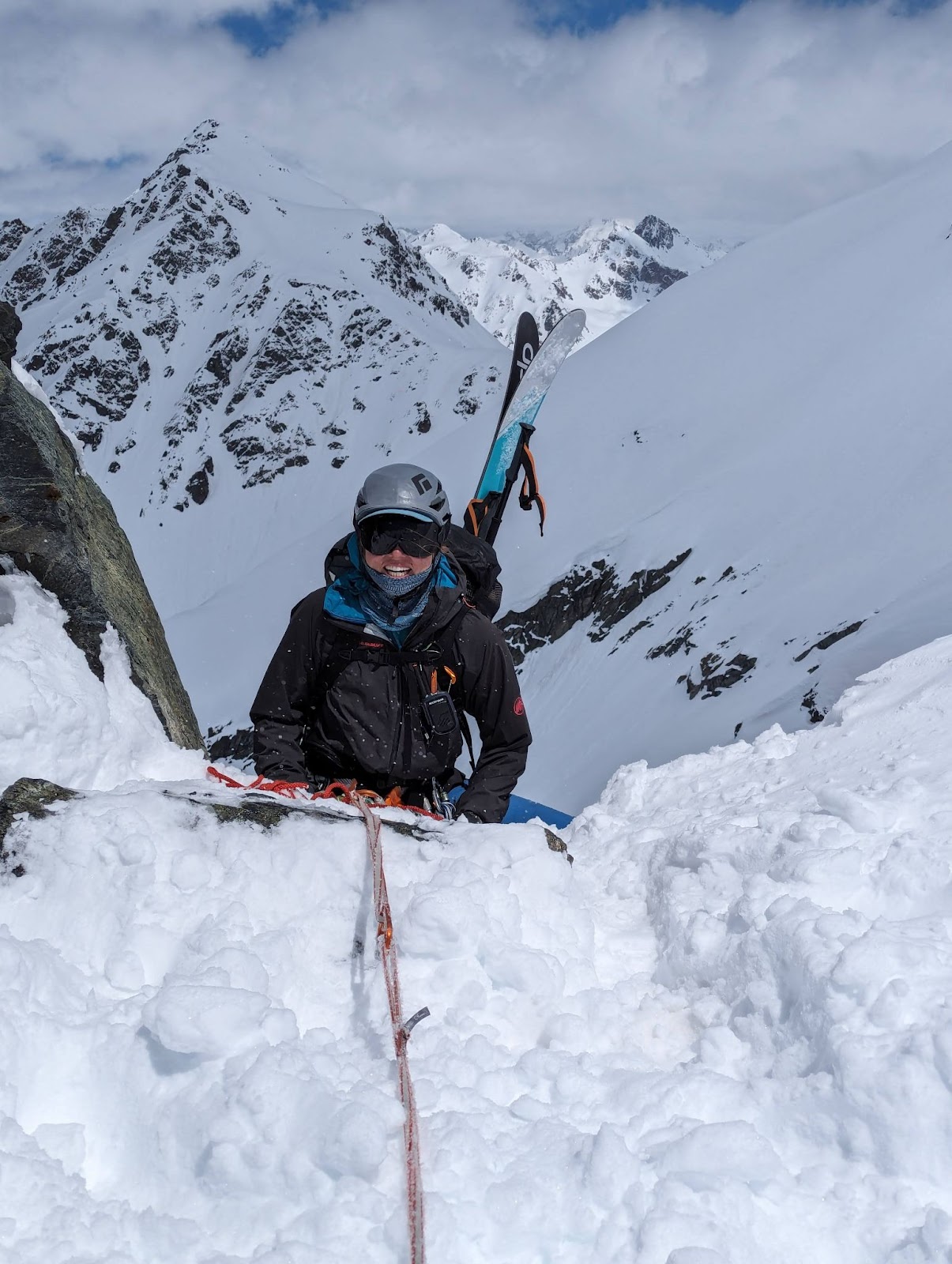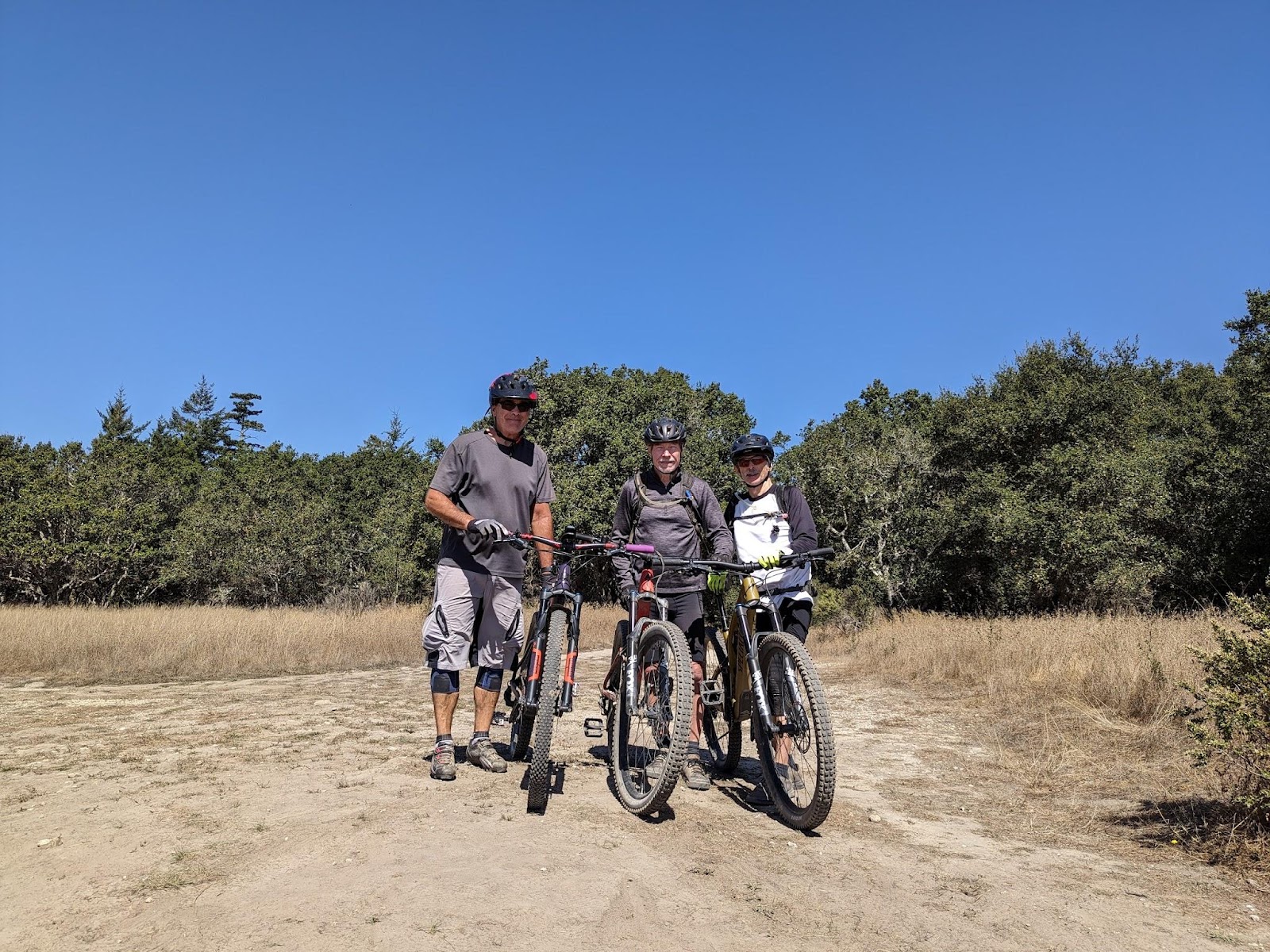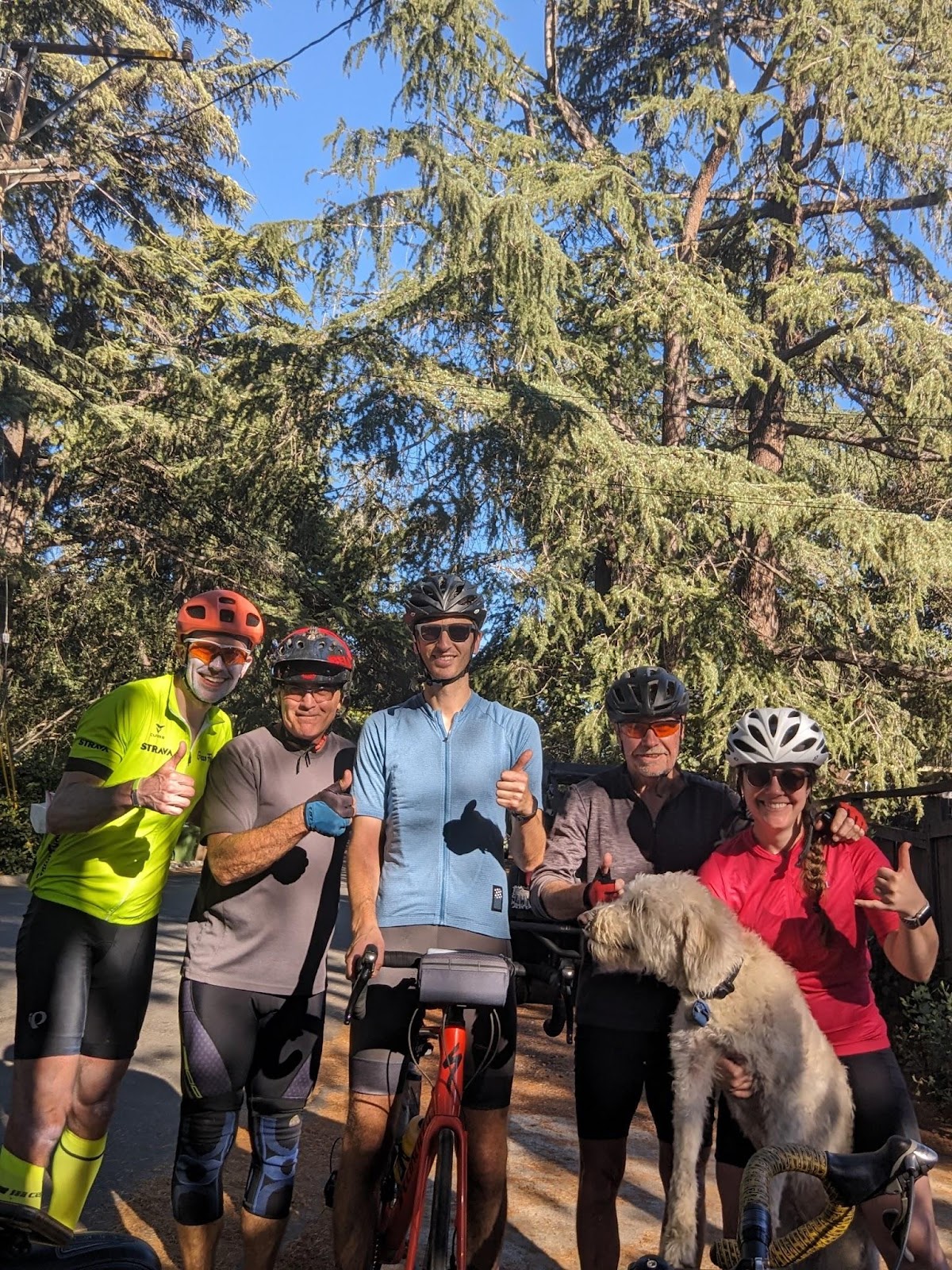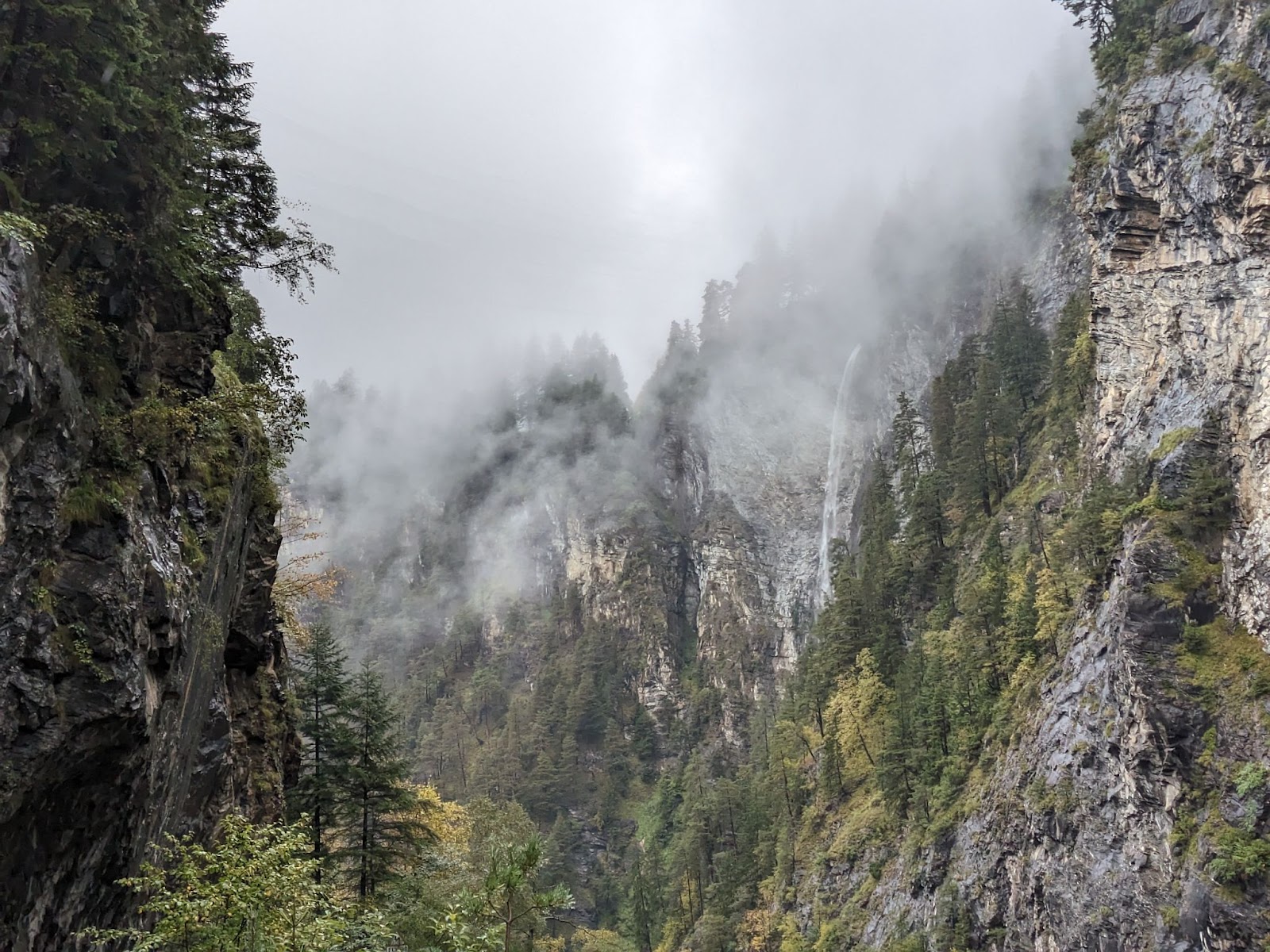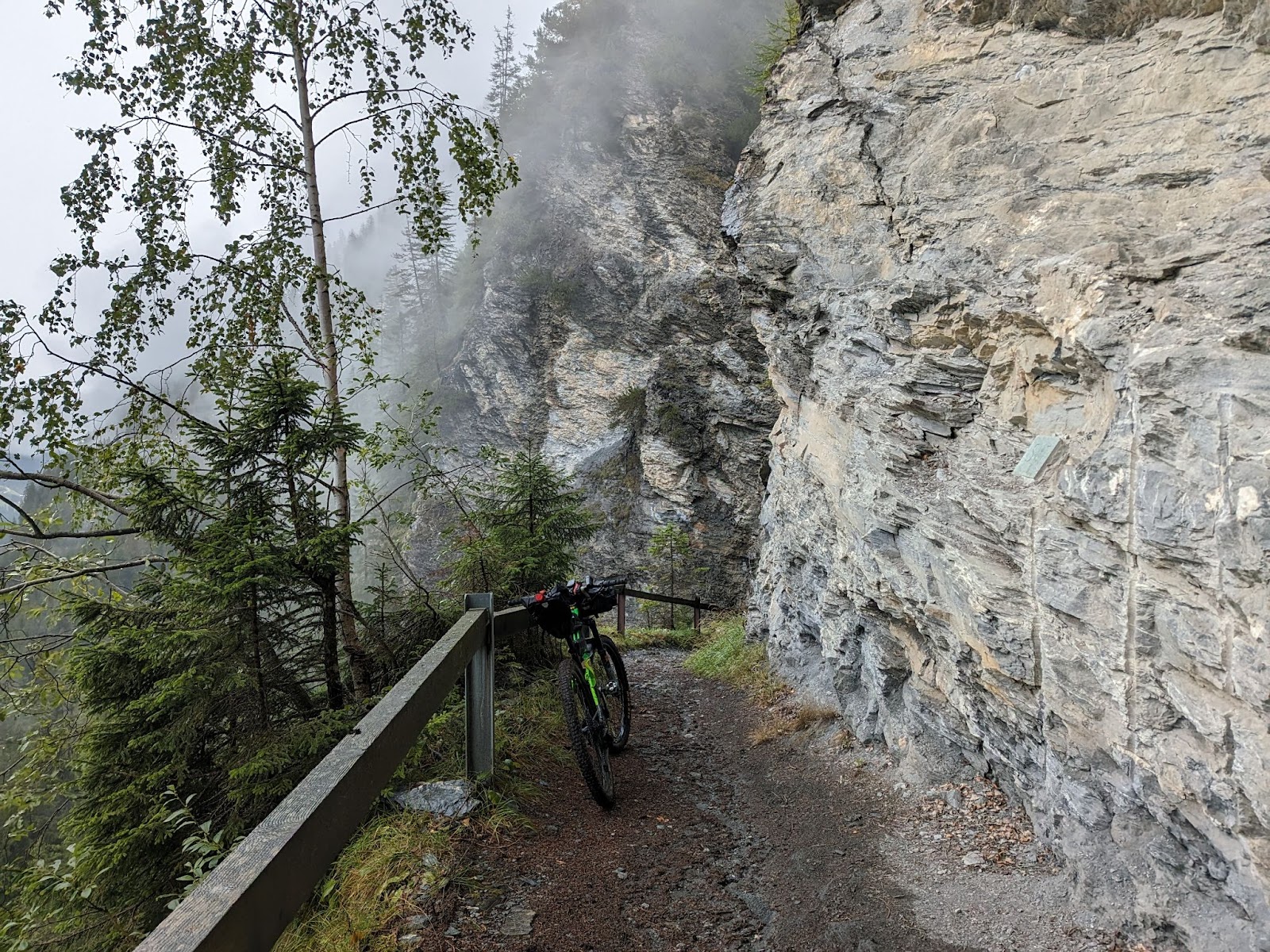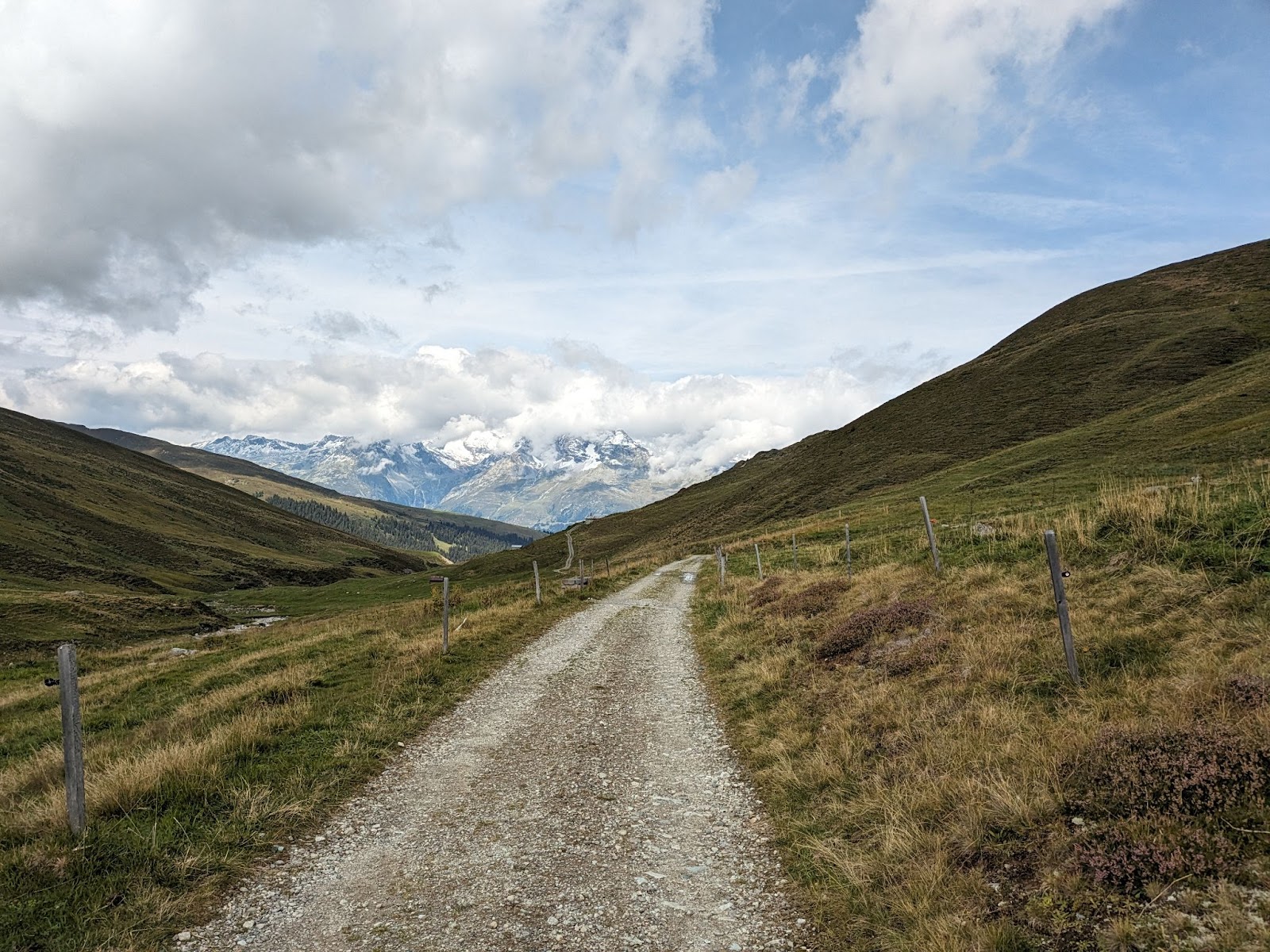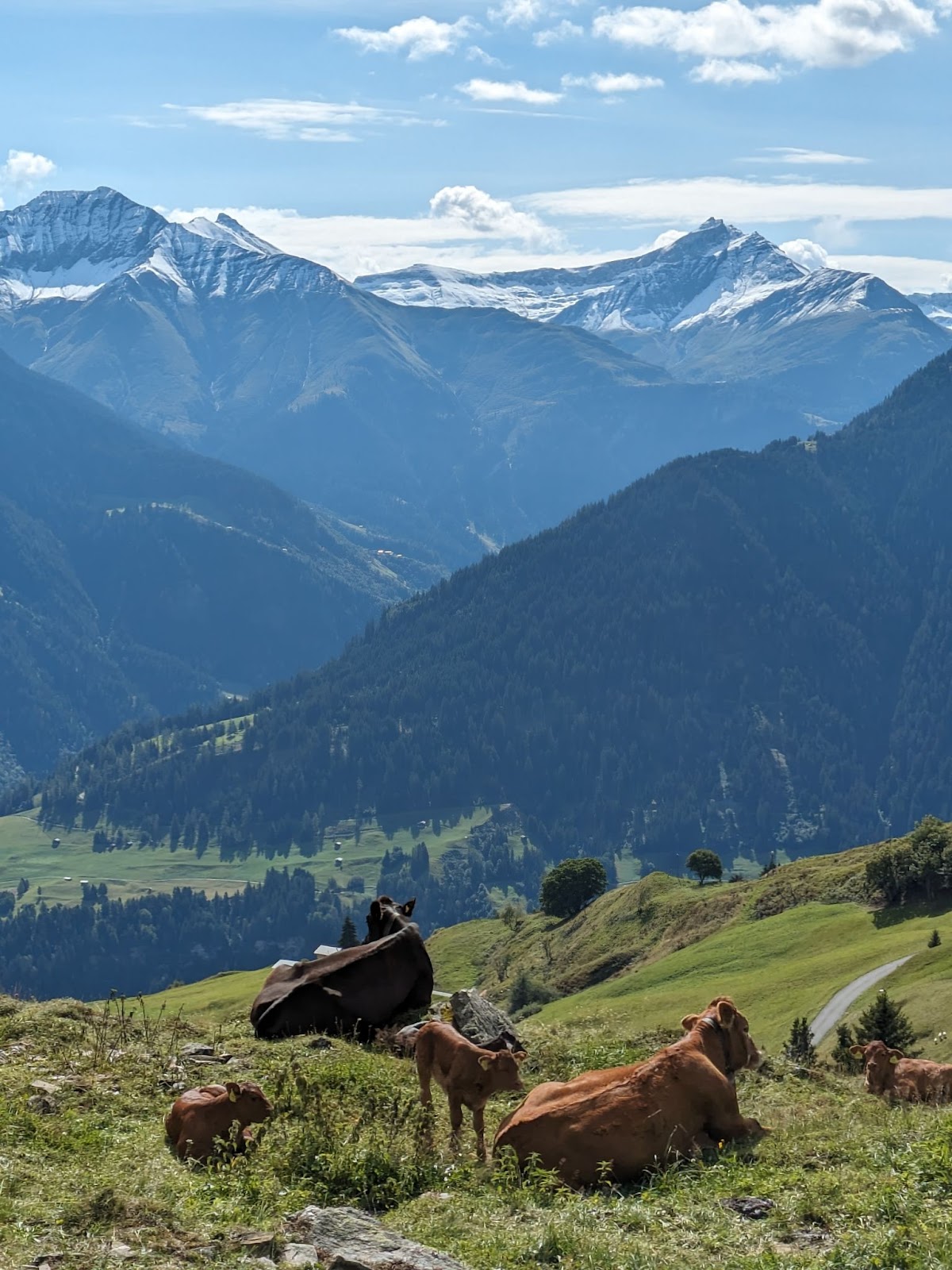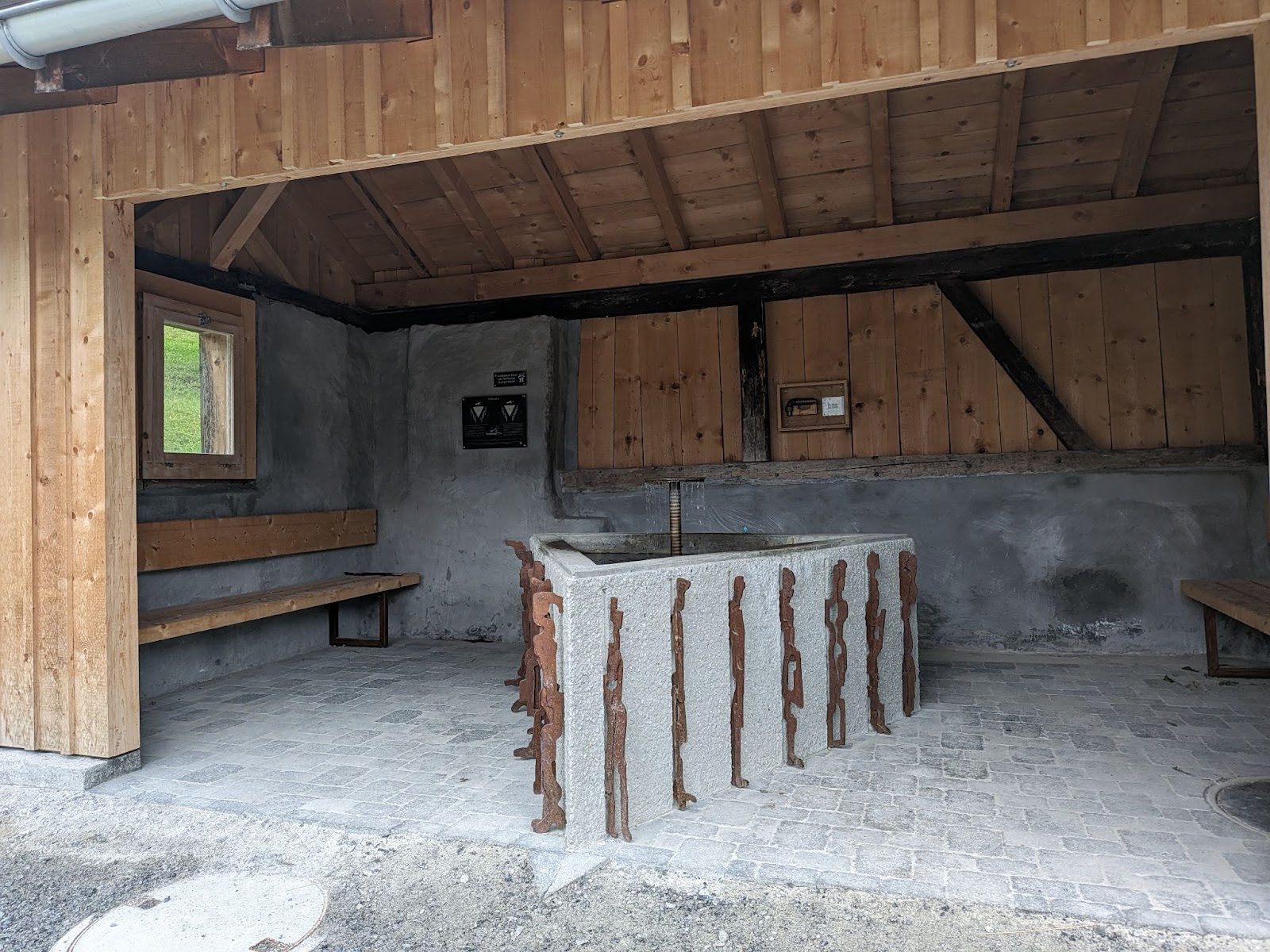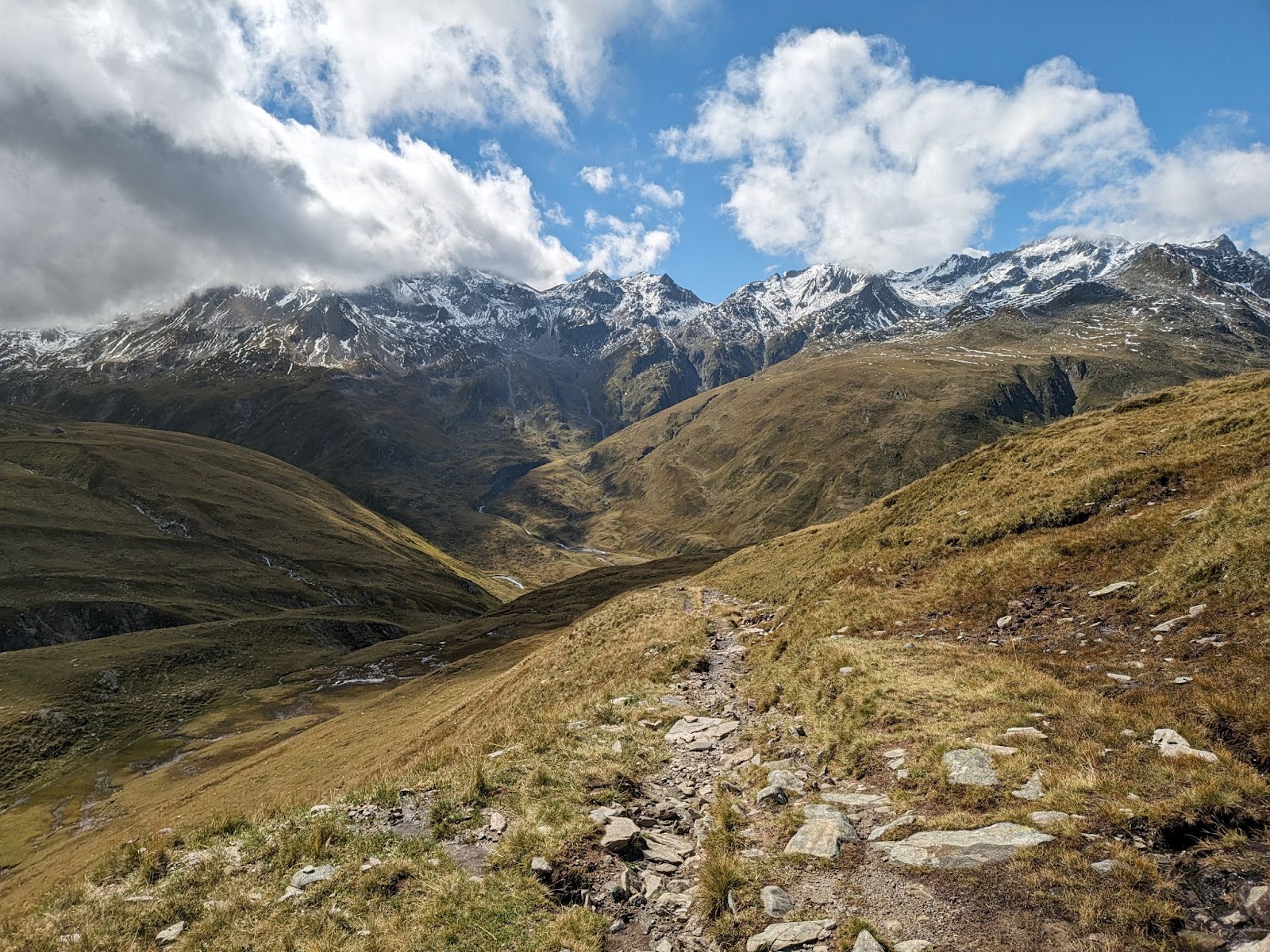
Another year, another successful Dogsgiving… Hard to believe this was #6! It was a blast catching up with friends and hearing about their adventures. Lisa shared her first aid class learnings, while Larissa and Helen took us on a virtual bike tour of Rwanda. Thomas regaled us with tales of his splitboarding trip to the remote Svalbard. And, of course, we couldn’t miss Brandon and Brian’s hilarious attempt to sell us cheap AliExpress trinkets. To top it off, we premiered our latest season edit, showcasing our crew’s epic adventures.
Author: freddy
-
The Winterraum
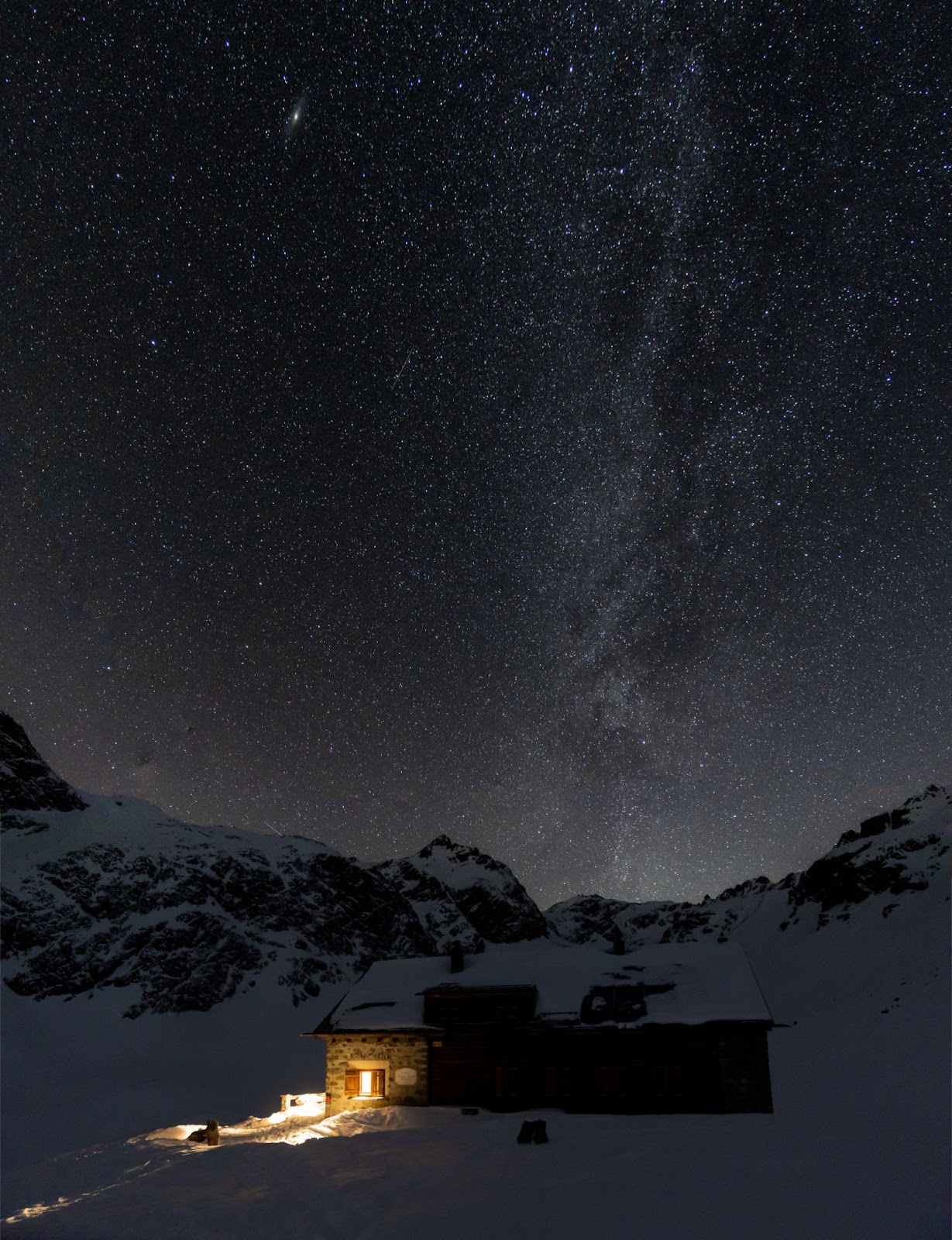
Capanna Jenatsch and the Milky Way Author’s note: I did not and have not used AI tools to write parts of this post. Though I do use AI (mainly Gemini) to write in other capacities, I still feel a bit conflicted about it here. The act of adventure writing brings me joy, and I feel like I learn more about the experience and myself through it. That being said, there’s many benefits to using AI in the creative writing process. I would love to discuss this with anyone who reads this post. How would you feel if a part of these pieces were written or edited by AI? Anyways, enjoy!
The Alps are chock full of backcountry huts high in the mountains. These plush accommodations simplify the decision between slogging a heavy pack with a tent and mediocre freeze dried meals versus a day pack and a credit card all the more straightforward. All you have to do is show up by 6:30 pm and pay ~70 CHF. Then you’re served a four course meal for dinner and assigned a spot in a 20 person dorm room after a long day outside. These huts are primarily open during the summer, mid-June to mid-September, while some are also open in March and April for ski touring season.
But in the back of my mind, while I’m sipping on a lovely glass of red wine on an Alpine refuge’s patio, the small voice of my (problematic) American wilderness ethos whispers “You’re getting soft.” And it’s true!
So this ski touring season, Freddy and I pioneered a middle ground between the wilderness camping of the American West and the backcountry luxury I’ve grown accustomed to: The Winterraum.
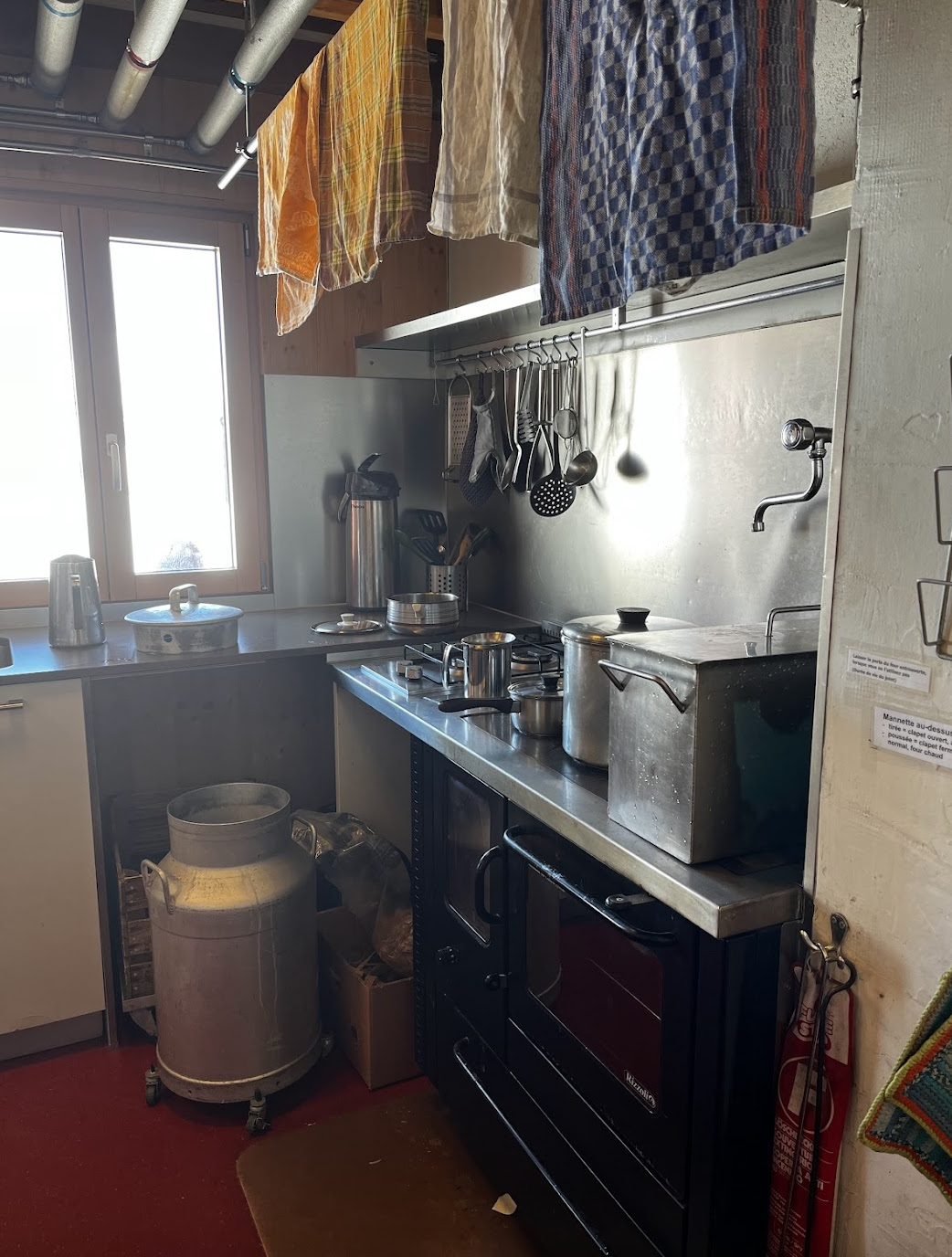
Most huts have a winter room (Winterraum in German). The normal setup is a small kitchen with a wood stove, utensils, a place to sit, a toilet, and sleeping quarters. The primary difference between the winter room and a normal hut experience is that you have to cook your own food, make your own water, and lower your expectations on toilet facilities. Normally, these rooms accommodate 10-20 people versus the 70-100 person capacity during summer.
The conditions/amenities of the huts vary (as do the prices) so I want to share with my small audience my experience and rating of the winterrooms I visited this winter. This also gives me an opportunity to write about some of the amazing adventures I’ve had this season, so that’s an added bonus 🙂
Jamtalhütte:
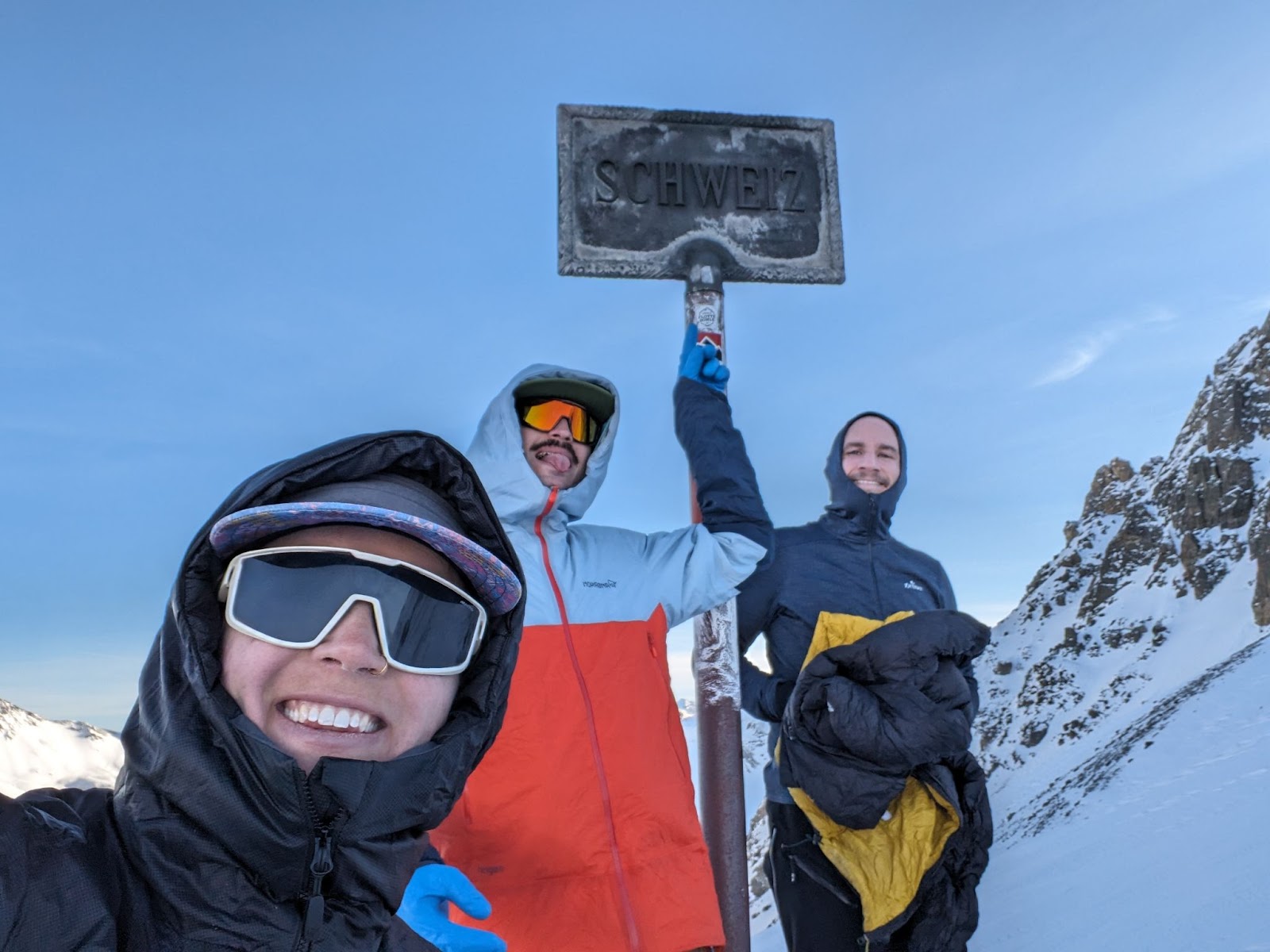
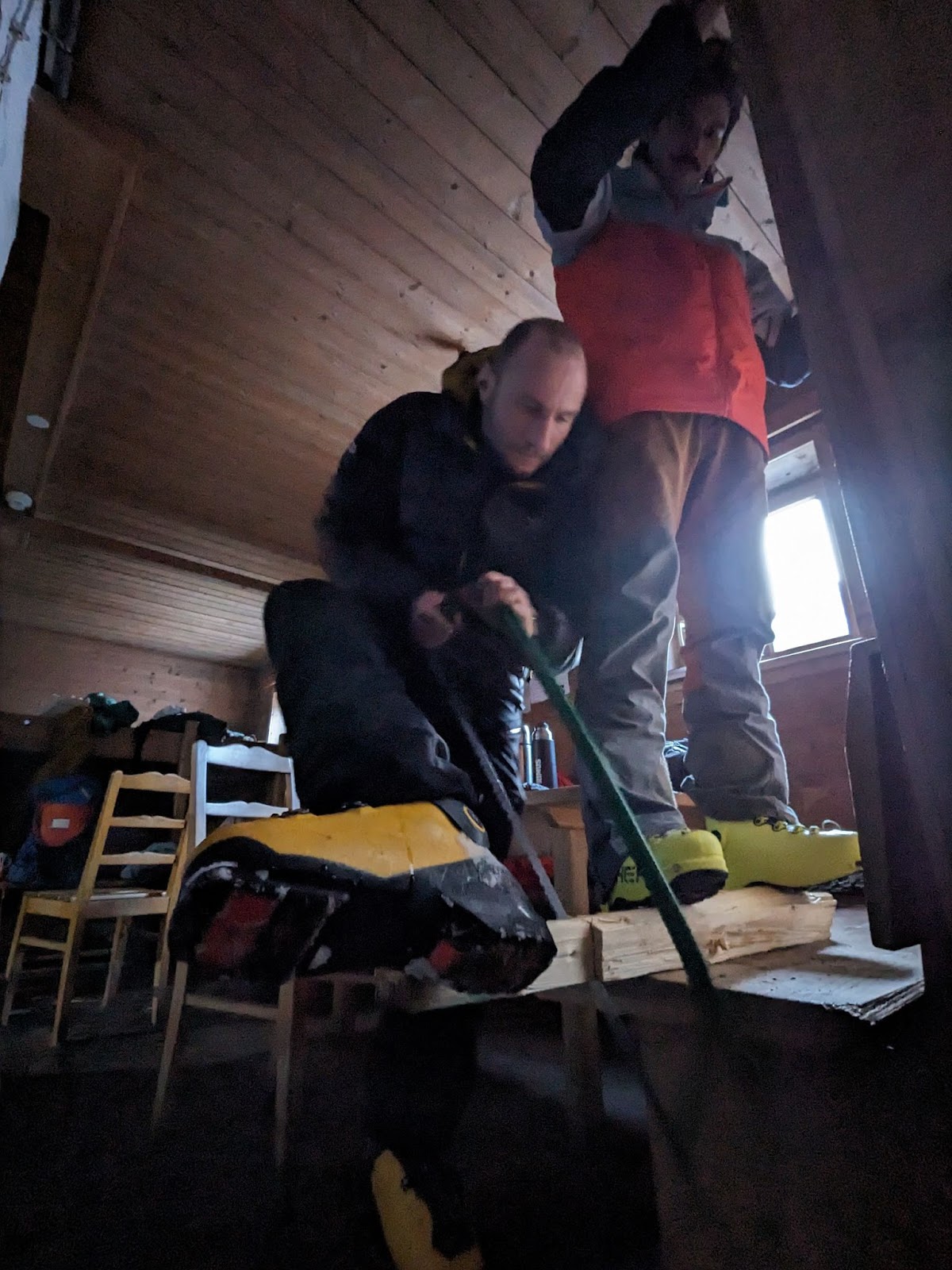
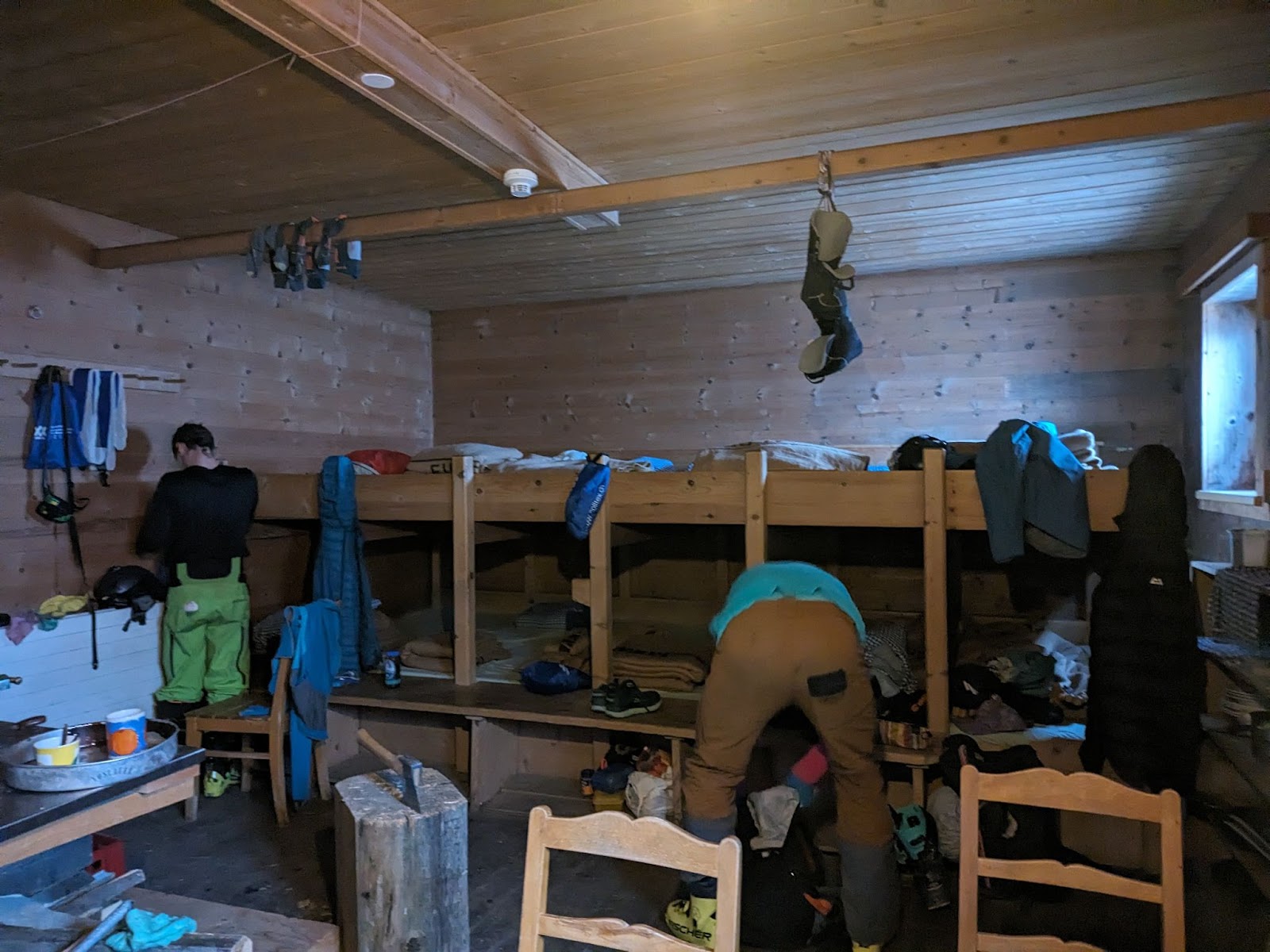
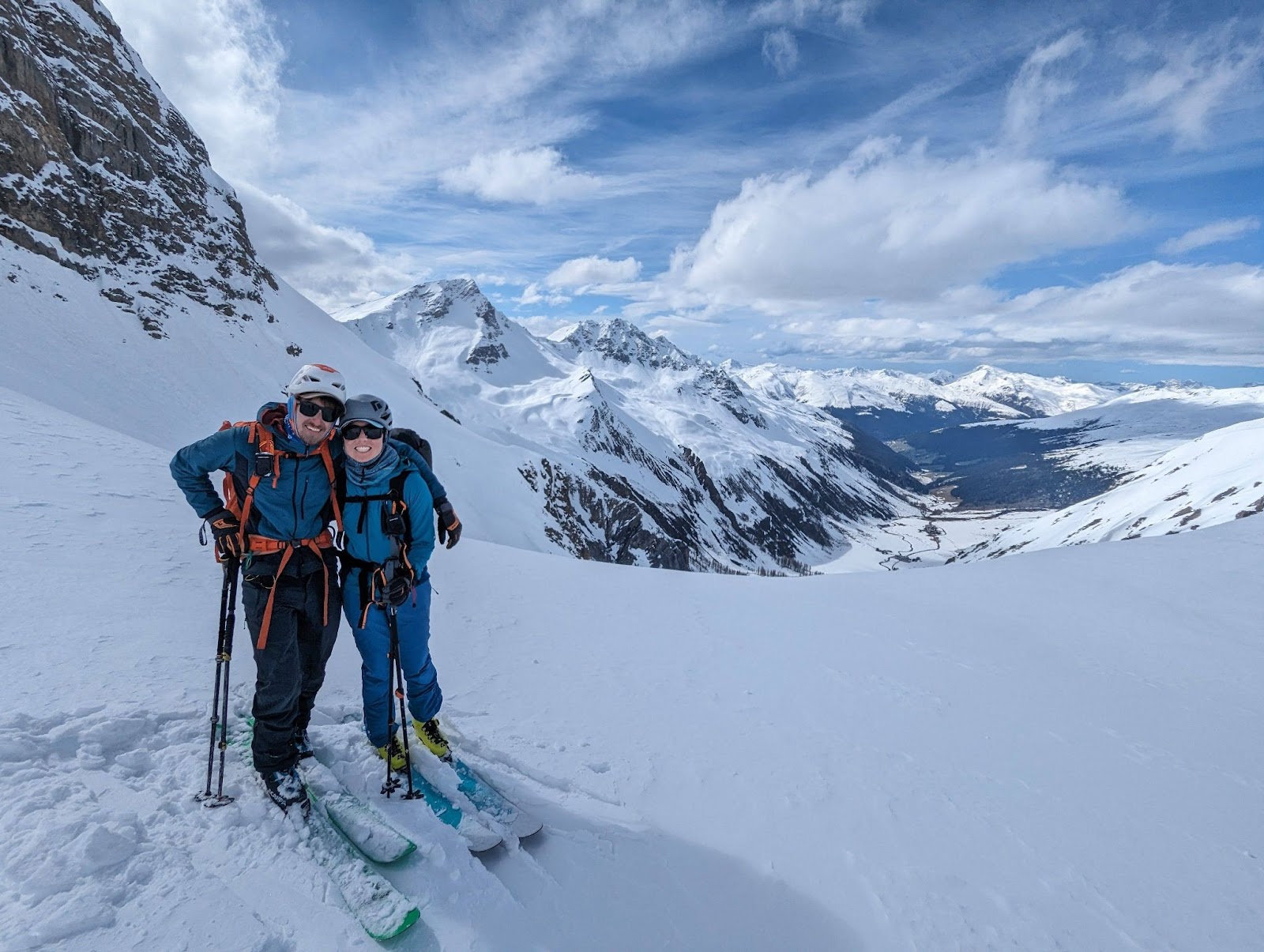
Lisa, Freddy, and George enter Austria on Skis! George and Freddy sawed the wood for the night and another party made a fire. Inside of the Jamtalhütte winter room. Tight quarters. We came to the Jamtal from Scuol’s ski resort (Motta Naluns), while doing the Silvretta traverse with George. That day, we rode the lifts up, skied a few mechanized laps then donned skins and packs for the climb up to Piz Mischun. It’s always a funny feeling going from the mid-mountain Après scene to complete and utter solitude in less than an hour. After dropping north off top, we toured up Pass Futschöl and crossed into Austria. Not long after, the Jamtalhütte was in view. It’s a huge Austrian hut, and when it’s staffed, they have private rooms, a shower, and an ice wall, but in off season it is very quiet.
The Jamtal had by far the worst winter room we stayed in this winter, so I’m glad it was our first!
Pros:
- It had running water (most huts you need to melt snow)
- It only cost 12 Euro
Cons:
- Dysfunctional toilet with water all over the floor. Their solution was elevated plywood planks to escape getting your feet wet.
- No privacy
- No natural light
- We needed to saw wet pieces of wood to fit in the wood stove
- (not the hut’s fault I admit) we were accompanied by an incredible snorer that night!
- Steep entrance into the basement winterrom, lots of shoveling to get in there.
Wiesbadenerhütte
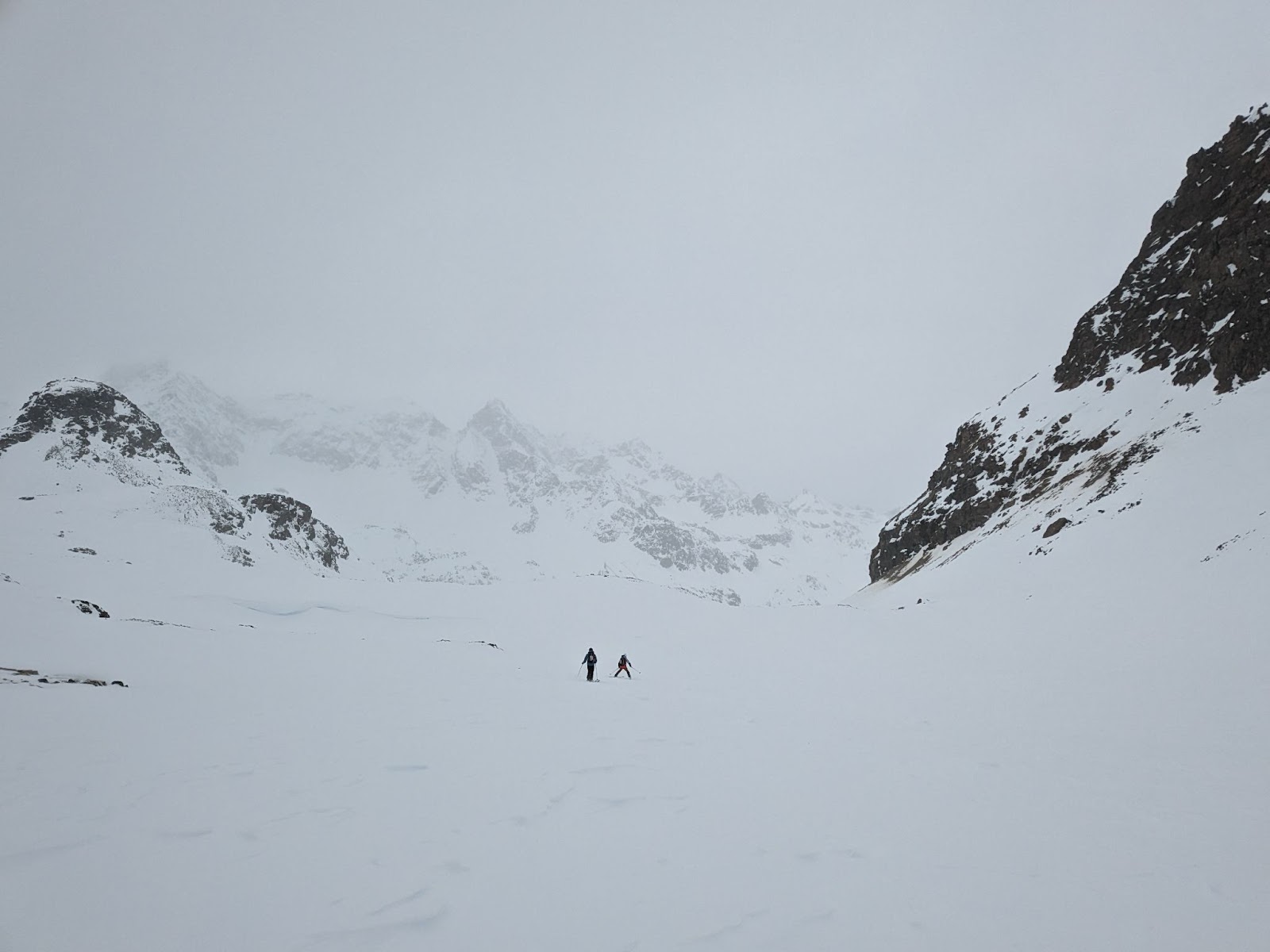
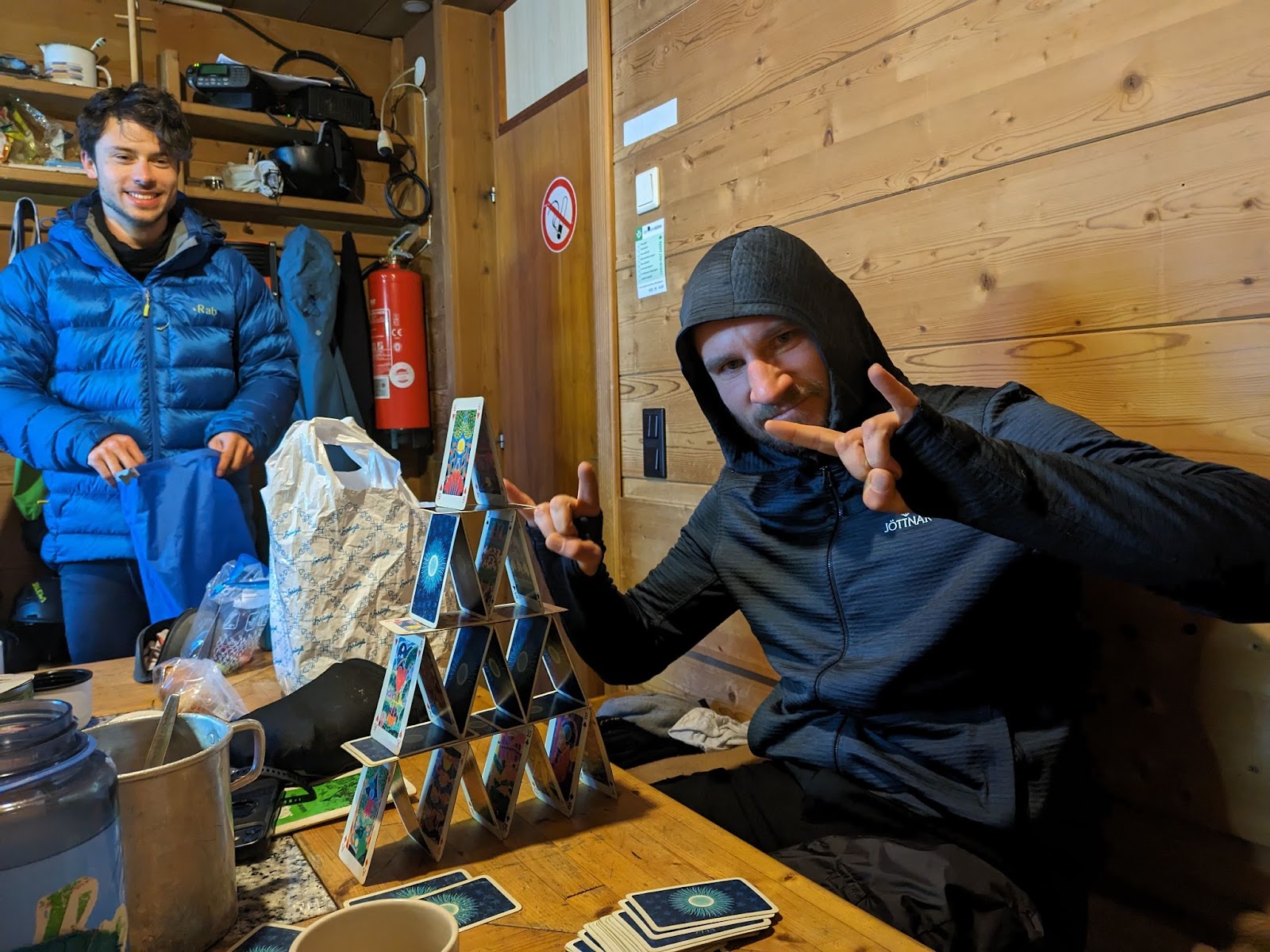
Freddy and George trying to make contrast in the flat light of a glacier Making water from snow on the stove. The right side was hot enough to boil. Left was not. Hut games! The Wiesbadenerhütte was our next destination on the Silvretta Traverse. From the Jamtalhütte, George, Freddy and I toured up to Tiroler Scharte, the boundary between the Tirol and Arlberg regions of Austria. The day was terrible; we ascended glacial terrain in thick fog and high winds. When you can’t see 2 feet in front of you, it makes descending a short but steep moraine terrifying. I opted to sit at the pass while Freddy and George ascended Ochsenkopf. We got to the hut early and played cards with our two Austrian friends Jo and Yury.
The Wiesbadenerhütte is also huge when open, but it’s winterroom was quite modest.
Pros:
- Cheap! 10 Euro a night
- 3 separate small rooms for sleepers so you can spread out
- Cozy kitchen that made for good times meeting new friends
- Has a Chapel
Cons:
- Smelly toilet that had tandem thrones. Who is peeing with their friends? Is this because they think most clients are men?
- Bad stove and cooking equipment, pots couldn’t keep their heat so it took forever to boil water
- No hut shoes provided
- The fire alarm went off all night, annoying, but I wouldn’t expect every visit to be like this!
Silvrettahütte
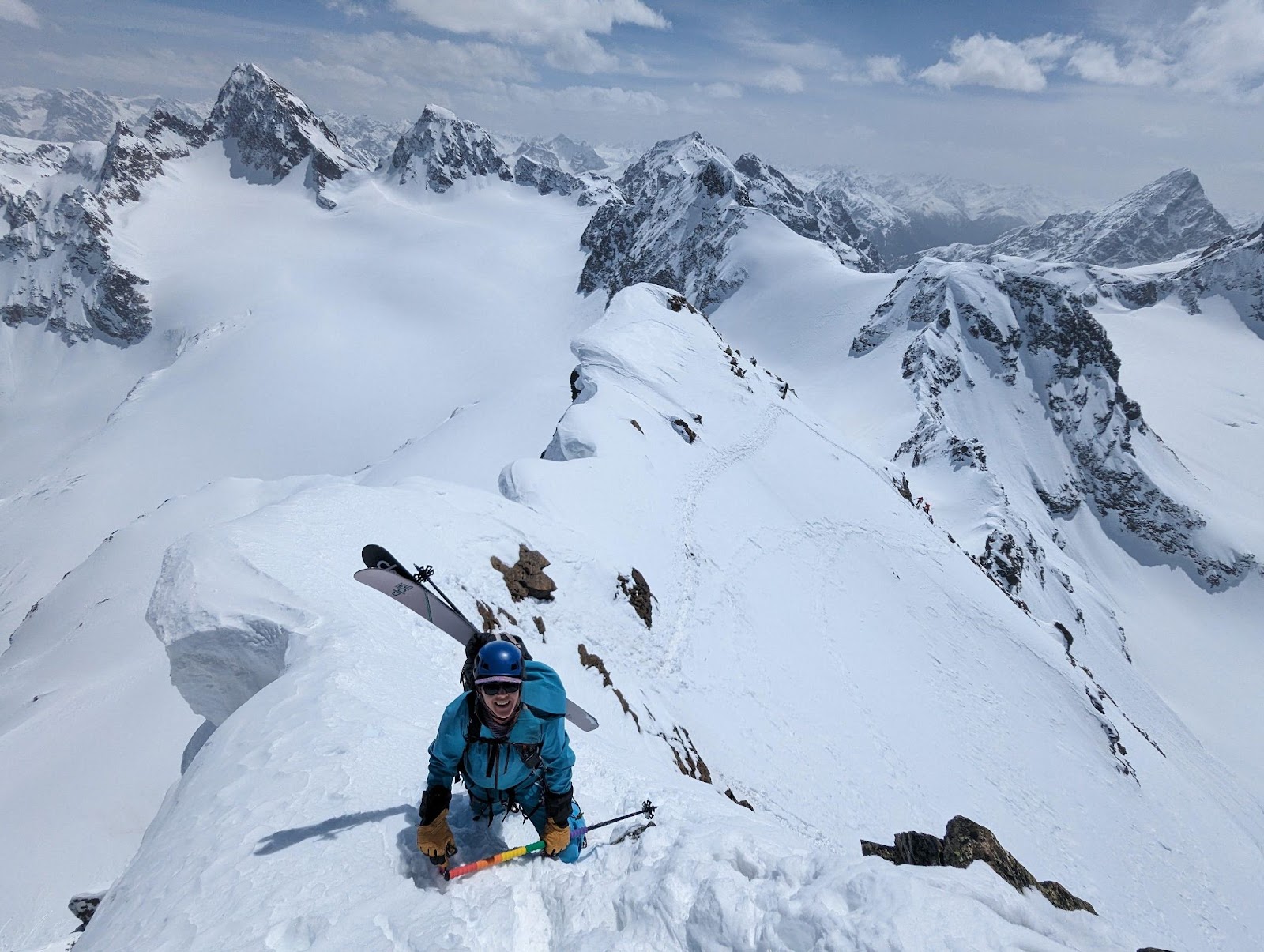
Lisa climbing the ridge of the Silvrettahorn. Austria is on my right. Switzerland is on my left. Peter and Audrey hanging out in a glacier cave at the end of the Silvrettagletscher. Evening light from the hut. We stayed at the Silvrettahütte twice, once with George and once with Audrey and Pete. Unfortunately, Freddy and I had a..mild disagreement.. in front of George, so instead I will tell you about the great day we had getting to the Silvretta hut with Pete and Audrey.
From the Wiesbadenerhutte, we ascended the Ochsentaler Gletscher with quite a Föhn wind. We headed towards Piz Buin, getting absolutely blasted. We ascended the improbable-looking Northwest ridge. It’s snow on the bottom, a bit of mixed climbing in the middle that had enough bolts to calm your nerves over the exposure, and scree to the top. We descended back the way we had a quick glacial traverse and booted up the Silvrettahorn. Once at the summit, we were back in Switzerland! We descended the west face, which was covered in old avalanche debris and booked it to the hut. During our slog through the end of the glacier, we found a glacial cave – I’ve never seen anything like it!
Pros:
- Instead of the standard issue crocs that SAC huts have, they provided clogs that were hilarious, old and a bit treacherous to walk in
- Beer, coffee, oats for sale
- Shapely stone building
- Electricity for charging phones (not common)
Cons:
- The hut is in lumpy moraine terrain, making it easy to get lost
- I remember being cold both times I was there. The stove does not heat up the place.
- Dark bathroom, George dropped the toilet brush into the depths.
Chamanna Jenatsch
Larissa, Gilles, and Freddy ascending from Julier Pass.
Hanging out at the Gipfelkreuz on top of Piz Calderas.
Nele and Freddy at the top of the couloir.
Packed kitchen at the Chamonna We went to the Chamonna in early January on a very cold weekend with a crew: Larissa, Gilles, George, and Nele. We called it the Piz party because in Romansh, mountains are called Piz’s.
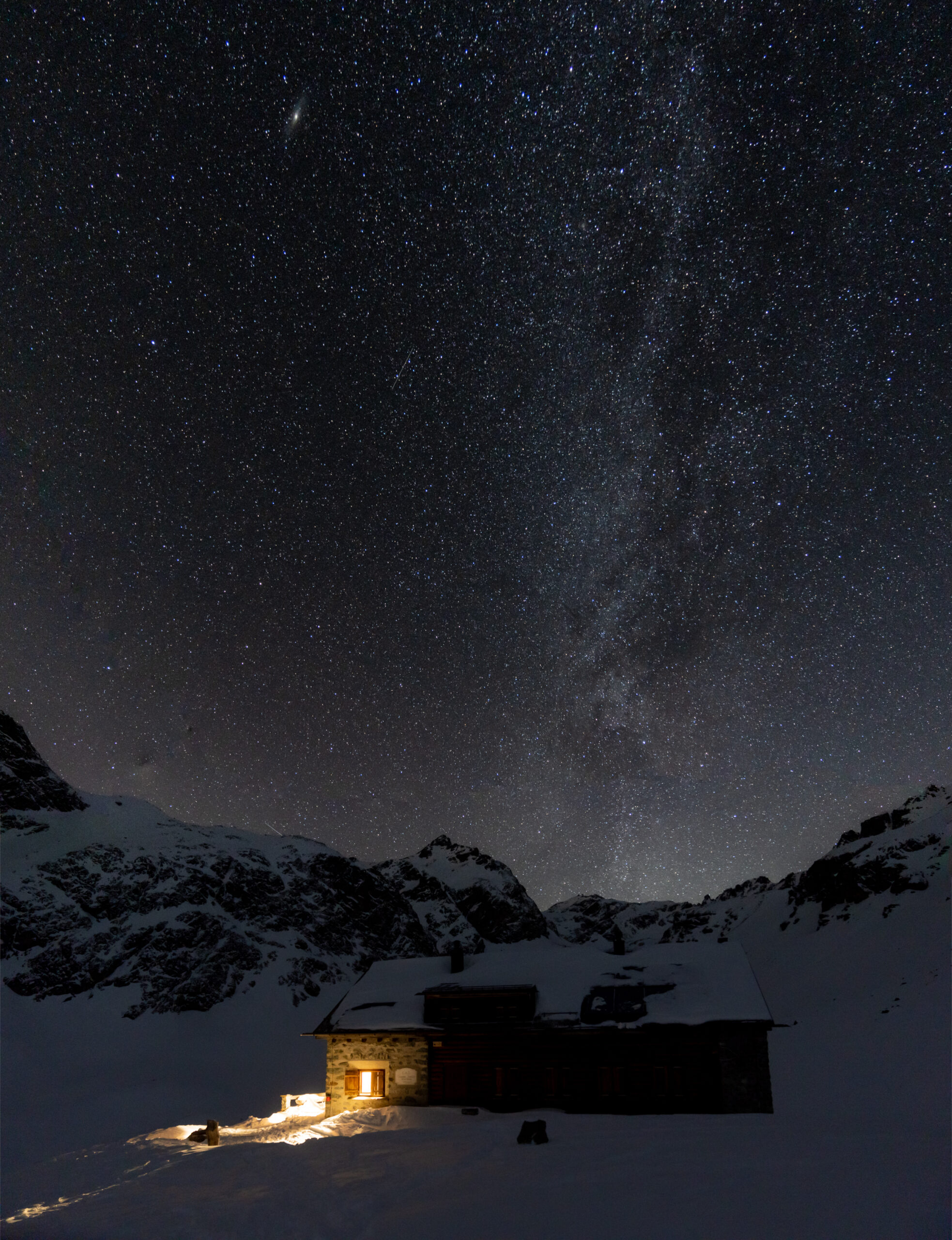
It took quite some logistical maneuvering to get all six of us to the top of Julier pass in winter using public, private and personal transit modes. We used a private ski tour bus from Bivio over the pass, which is good information to know about! After the multimodal journey, we climbed 2 Piz’s, Piz Trounter Ovas and Piz Surgonda, which involved a short but exciting downclimb onto the Vadret (glacier in Romansh). We skied down to the hut to start cooking dinner. While we skinned up that day, Freddy realized Larissa (who was on dinner logistics) had a different definition of what is a sufficient quantity of pasta for 6 people (we brought 1 kg). Though no one went to bed hungry, some felt like they could have had a bit more to eat. What can I say? I married an American with a large stomach and a love of butter noodles. We now ask most of our friends how much dried pasta (by weight) they could eat in 24 hours to gauge what kind of eater they are. After dinner, we stood outside gazing at the milky way move in the dark night sky while Gilles took pictures with his cameras. I take partial credit for the night photography because I carried the tripod both days!
The next day, we split into two groups: me, Larissa, and Nele climbed up the Vadret Calderas while Gilles, Freddy and George went around to climb Tschima da Flix. It was a bitterly cold climb, I was wearing all my layers going up, and when we finally met the deep winter sun, it felt like such a miracle that I had to sit down and soak. We met up with the others and climbed Piz Calderas together. After that we descended a fun chalky couloir (it was Larissa’s first couloir and she did great!), while George flew over us with his paraglider.
This was a really cool area and I hope we get back there.
Pros:
- Beautiful location, it felt very remote for being so close to a Julier pass
- Good stove to warm kitchen easily dry boots
- Ski room available, so you don’t need to leave your skis outside
- Nice mud room spacious to get ready with glacier gear
- Water on hand and good pantry (extra supplies like salt and sugar)
- Toilet in building and not smelly
Cons
- Cramped when at max capacity
- Expensive – 40 CHF
Keschhütte
Freddy climbing with Piz Kesch in background. Audrey rappelling into our ski line. Pete and Audrey enjoying Swiss ski life! We went to the Keschhütte with Peter and Audrey, starting from Madulain then going towards Davos. While on the train there, I had a funny feeling in my stomach as I remembered that this is where the Swiss military does missile tests; were we about to enter target practice? Luckily for us, we just grazed the perimeter of the danger zone. In shoes we walked up from the train station, with a quick stop at the local Hofladen for lamb meat and Nusslitort. The snow came quickly; we passed an Alpage and Chamonna Es-Cha as Pete and Audrey kept chatting. The final push to the saddle was a steep, icy gully, making the ascent just a little spicy! We skied cold powder on the Vadret da Porchabella down to the Keschhütte.
The next day, we continued our march towards Davos; first towards Sertig pass, rappelling into an untouched face after we misjudged the summit of Passhöreli. Then another exciting boot pack to ski the Northwest couloir near the Mittaghorn. The cherry on top was that we made it to the bus four minutes before it left!
Pros:
- Nice stove good for cooking and warm
- Beer for sale, good pantry
- Two rooms so you and spread out from other parties
- Running water
- Spacious mudroom with Foosball table
Cons:
- Check when the military is bombing (they do missile tests in the area)
- Two toilet holes in the one stall, I don’t get it
Cabane Grand Mountet:
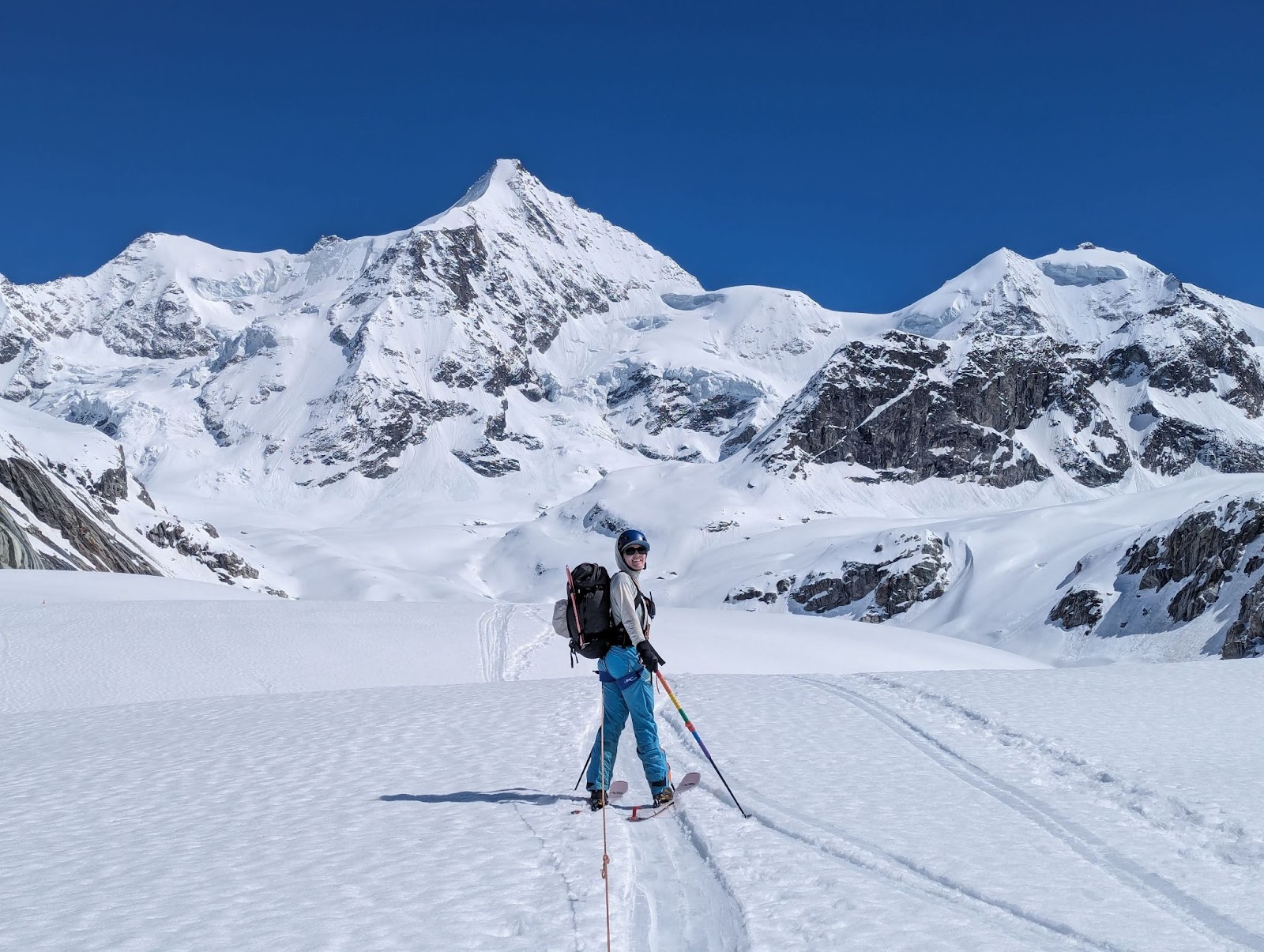
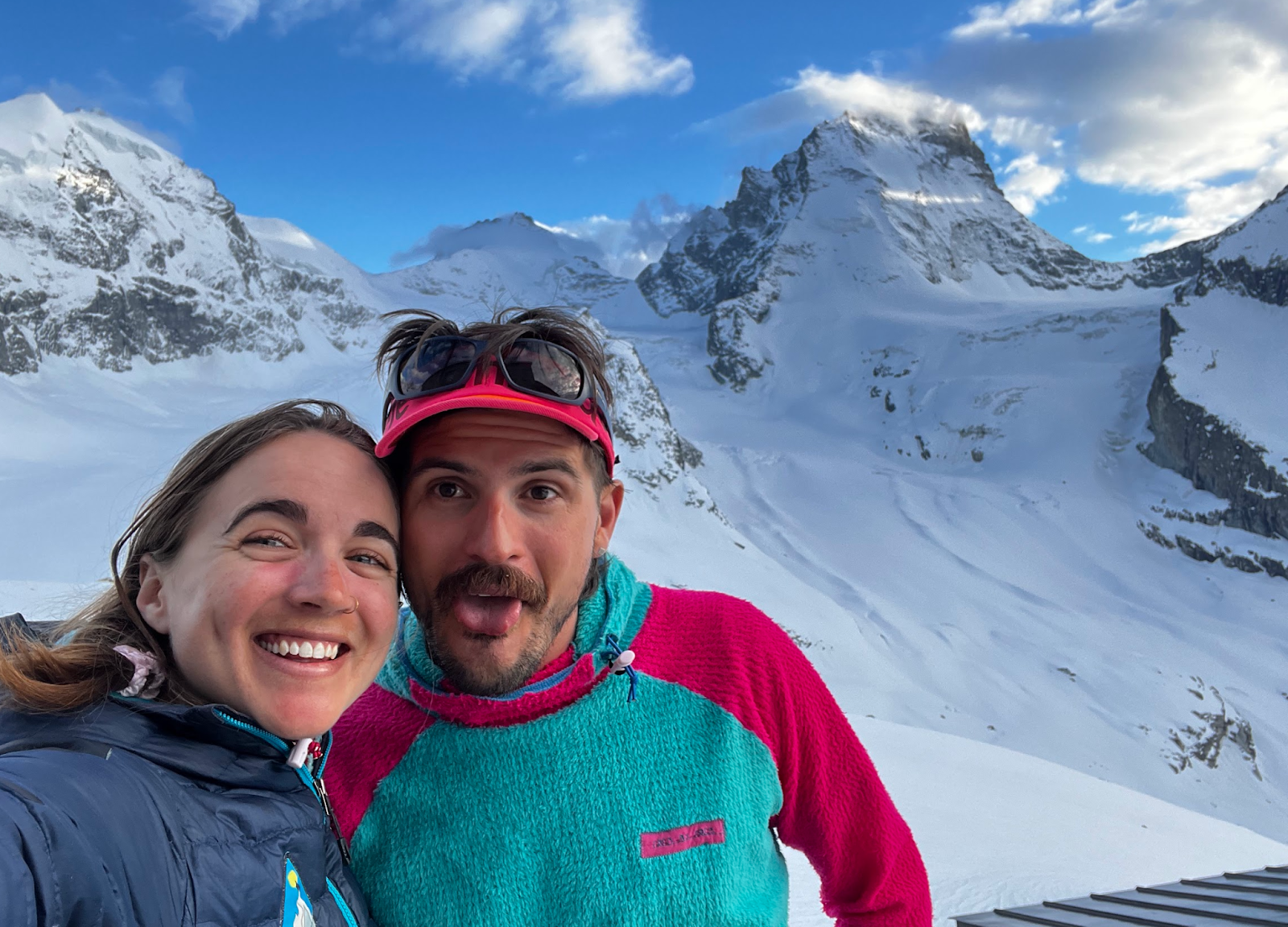
Lisa walks up Glacier de Zinal. Me and Freddy enjoying each others’ company and the evening light on the Cabane’s Patio. Freddy and I enjoyed a long love weekend doing a shortened version of Haute Route Imperiale. We started in Zinal after the long and exciting bus ride to the end of Val d’Anniviers. We walked right onto the glacier while witnessing some minor serac and rockfall – a reminder that you usually want to start earlier than noon in the springtime! The ascent was gentle but it felt arduous and never-ending – I did not feel like my best athletic self! But we finally made it to the Cabane, with its incredible panoramic patio. Freddy cooked an odd but excellent asian dirty rice the key ingredient being a jar of stinky gochujang and fish sauce he’d stuffed into his bag (always double wrap!).
Pros:
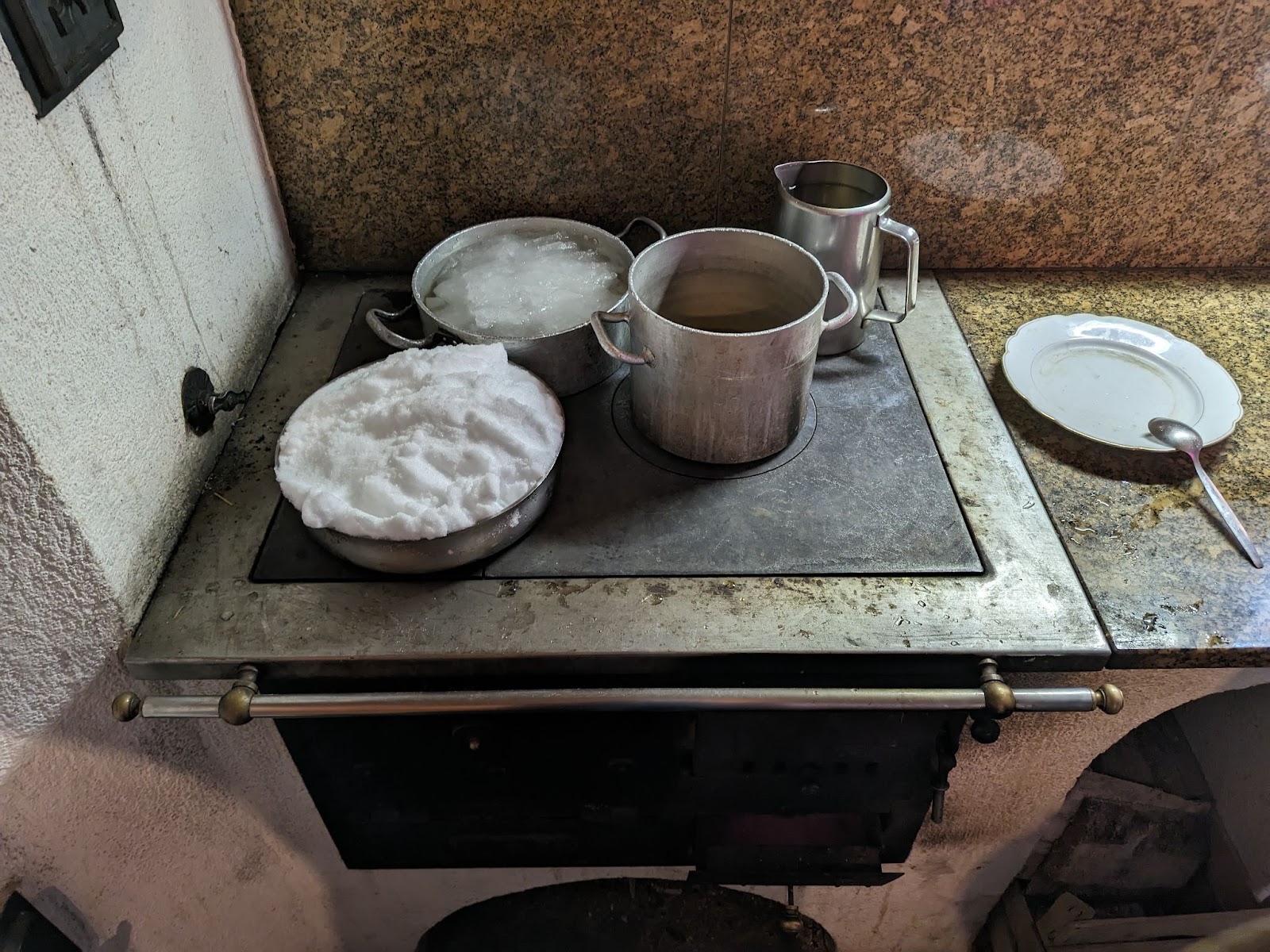
- 3 huge pasta pots for what I call “the water factory” which basically melting a ton of snow while boiling smaller amounts for specific purposes. This is critical to have good vessels for this since there’s no running water. The water factory is key to survival, so much so that I made a jingle about it!
- Deck with a view. This is true all year, but these mountains are beautiful with new snow
- In both French huts we stayed at they have emergency rations, ash trays, and hand sanitizer in the bathrooms and this is good when someone forgot the pasta
Cons:
- Bad approach from Zinal, the nose of the glacier felt treacherous this time of year
- Stove overheats the kitchen
- Cramped mud room
- Outdoor toilet, not good at night
Cabane Arpitettaz:
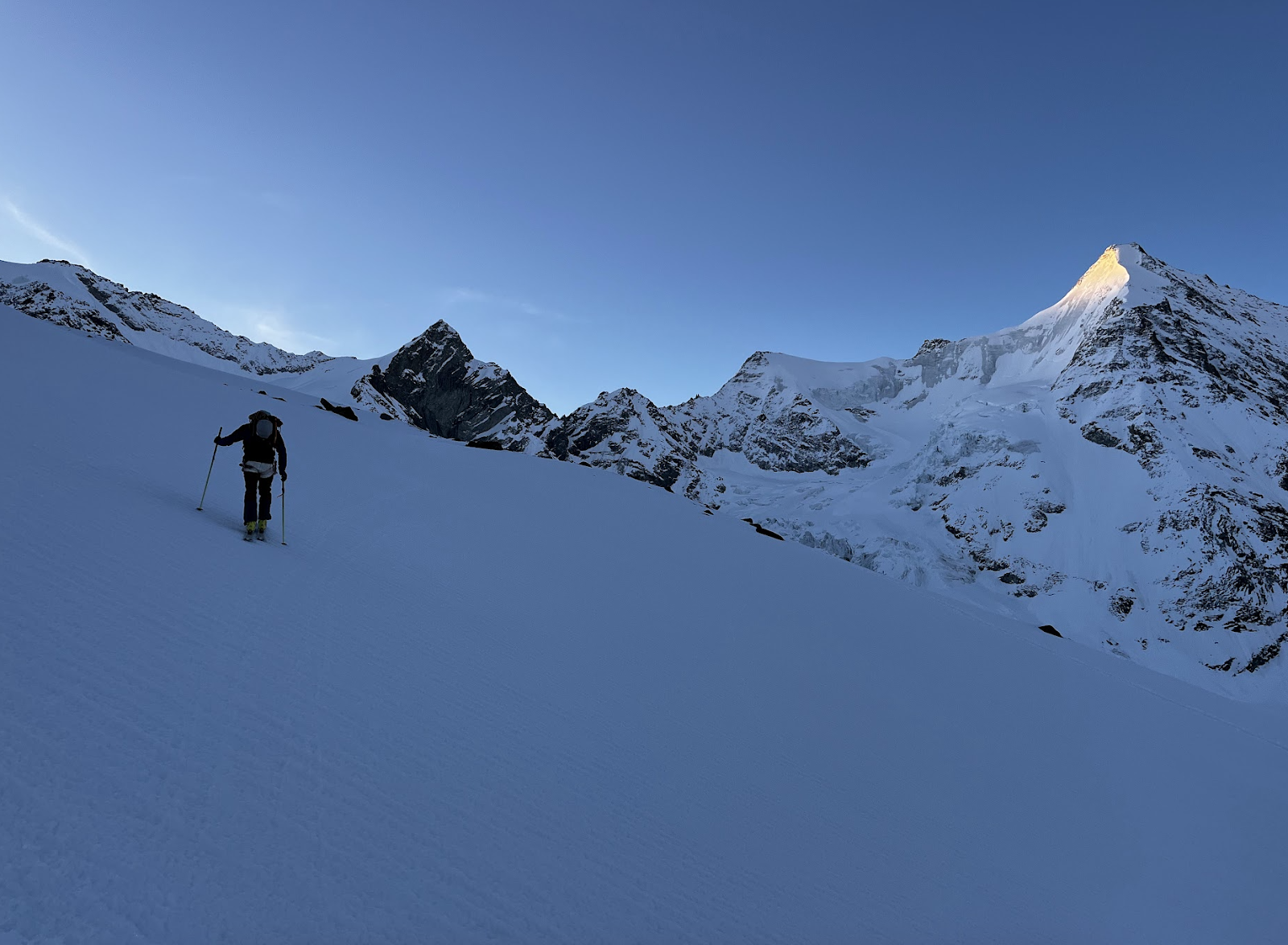
Freddy and first light on Obergabelhorn’s North face. Efficient kitchen at the Cabane. Good for boiling a lot of water. The next day on our Haute Route Imperiale trip, we left Grand Mountet at 6 am and headed towards Blanc de Moming. Freddy and I were familiar with this ascent, after doing Zinalrothorn a couple years ago. It was even easier in this high snow year. We walked along the Arête du Blanc, which felt like a narrow sidewalk with 100 meter cliffs on either side. Any one step didn’t seem difficult, but it required strong focus and a cool head. We then descended the convoluted glacier to Cabane Arpitettaz where we spent the afternoon lounging in the sun, reading and getting ready for dinner. Dinner was a big ole pasta boil with veggies and mushroom broth. The next day, we ascended the Bishorn (our first 4000er on skis together!), then had the longest corn descent ever down to Zinal. All in all, a great long weekend!
Pros:
- The first hut we stayed at where you just used the regular kitchen (instead of a winter room dedicated one)
- Well stocked with supplies
- Milk pail to hold extra water that has been boiled
- Had tons of games – we played French scrabble (why are there so many vowels?!)
- All that was said about the Cabane Grand Mountet
Cons:
- Long walk to the toilet through snow, needed to change from crocs to provided wader boots to do so
-
2023 – A Year in the Saddle
A guest post by fellow dog Rich Lacampagne
The year 2023 started out with a somewhat unexpected end to my working career after pretty much working non stop since 1976. I had been planning to retire in 2020, then 2021, then 2022, but then continuing to work. With the layoffs at Google in January of 2023, I had a good opportunity to leave with a significant exit package. OK, then what? You retire and what are you going to do with the rest of your life? I had been bike commuting the 18 mile round trip to work for over 7 years (with some break due to Covid). So I was used to road biking most days and mountain biking on the weekends. It seemed logical to keep a good exercise program going and continuing to ride.
My daughter Lisa bought me a Garmin Edge 830 bike computer and had me sign up for Strava. For someone that is very numbers focused, this is a BAD combination. Since I was riding fairly consistently I thought I would set a personal goal of riding 3,000 miles for the year. By late spring I was consistently riding 5-6 days a week and in August I hit 3,000 miles. Spurred on by some Strava enablers (Lisa Lacampagne and John Pucek), I reset for my yearly goal for 4,000 miles. Well, by October I was blowing past 4k and again was (self) coerced (that’s my story and I’m sticking to it!) into another reset for 5,000 miles. I finished the year with 5,574.8 miles on 233 rides (that is an average of about ~24 miles per ride).
Monthly totals:
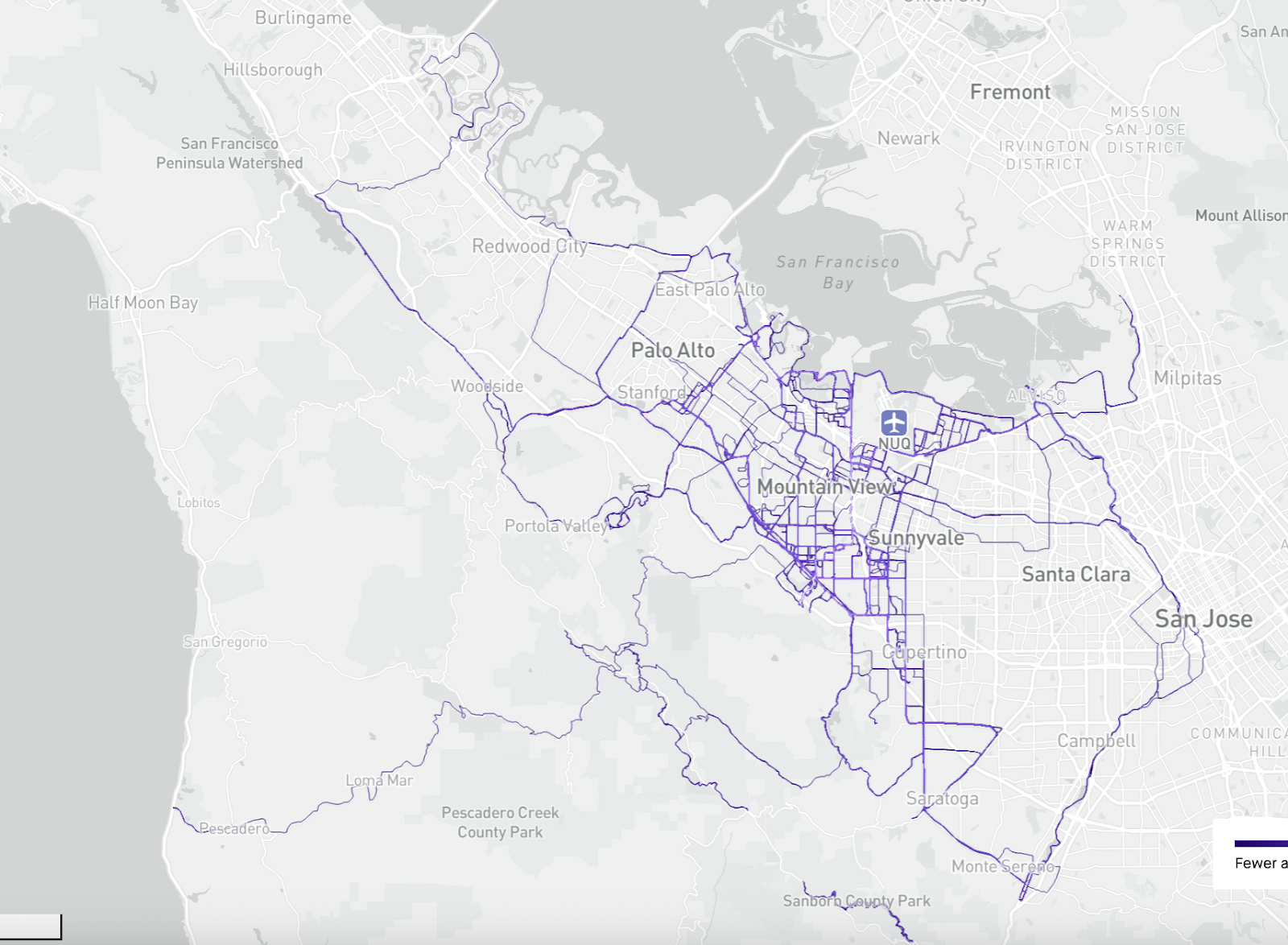
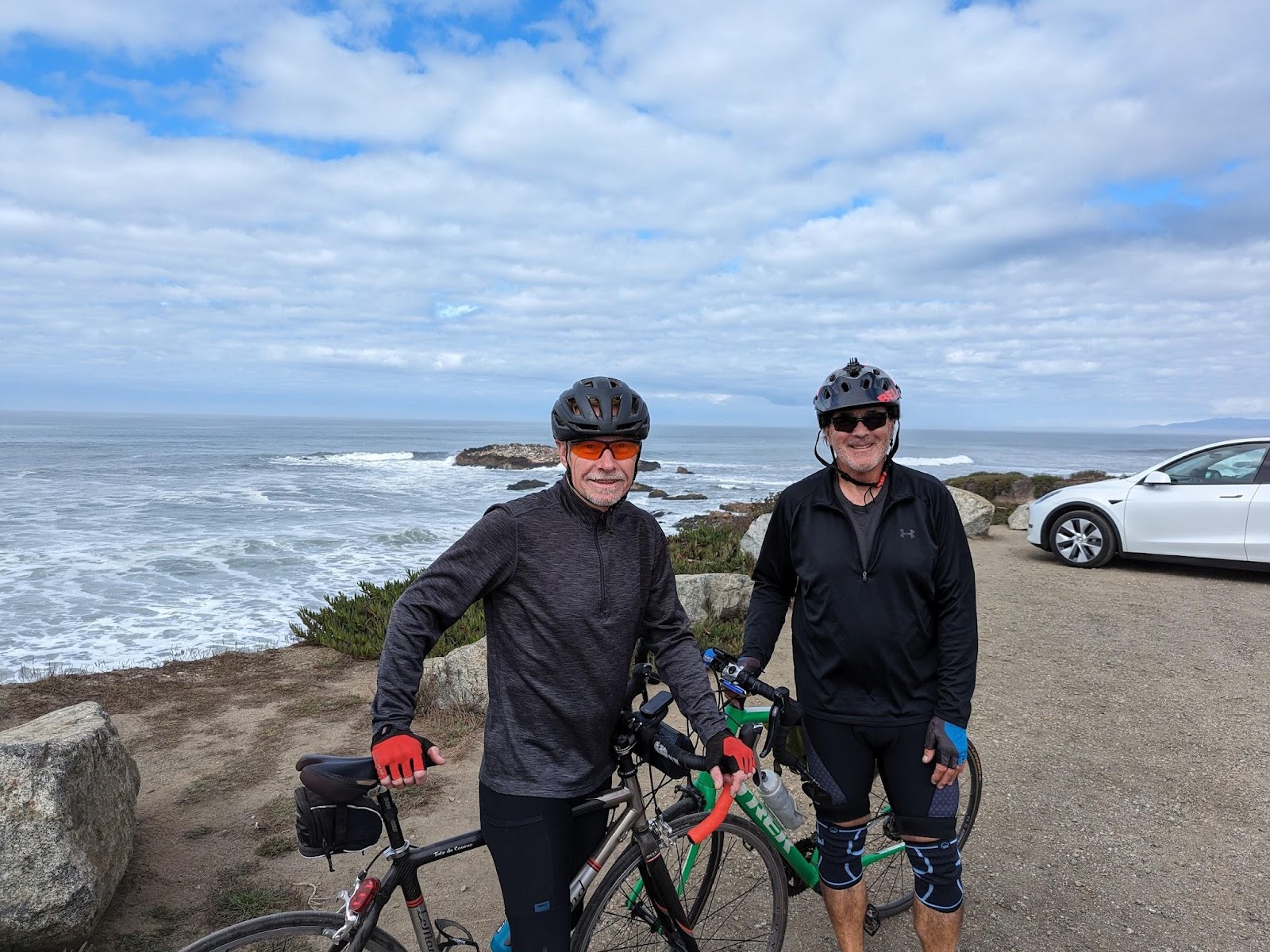
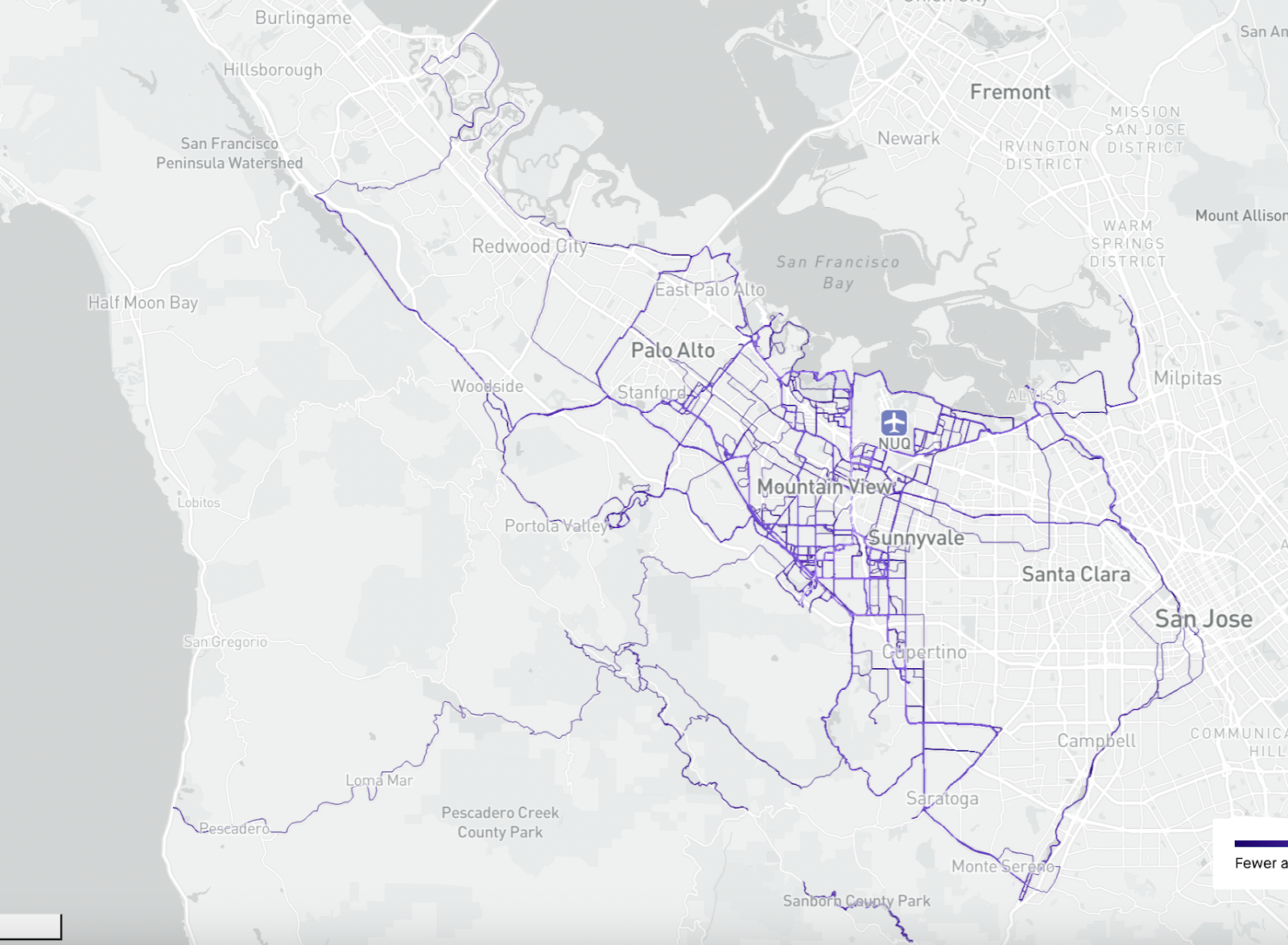
Month Mileage January 187 February 172 March 166 April 373 May 375 June 456 July 650 August 802 September 684 October 630 November 637 December 444 Total 5,574 Most of my riding was in the South Bay area of the greater San Francisco Bay Area. I also had some great rides in Switzerland with Lisa and Freddy. About 85% of my rides were road bike trips, the remainder were mountain biking, with a few gravel bike excursions. One of the highlights was the 2023 “Tour de Crappuccino” century that John Pucek organized in early August doing a big loop around the Peninsula and South Bay. I will continue to try and ride a 100 miler every year! Lisa and I also had a great gravel/road ride along the Rhine river in Switzerland and Germany. It’s been a lot of fun riding with friends and catching up with them. It was also nice to ride by myself and listen to podcasts. The mountain bike rides were done on my Santa Cruz Highball carbon hardtail and the road bikes on my Trek Domane AL-1 aluminum road bike and my Fuji Team RC carbon road bike.
So what’s on tap for 2024? As previously mentioned, I would like to do another century. I am also looking into a longer bike touring vacation, possibly in Europe. I will continue to do my normal 20-30 mile fitness rides during the week and hopefully find some different routes to try. Will I hit 5k miles in 2024? Who knows. It takes a lot of dedication to consistently ride multiple times a week, even if you don’t have to go to work.
Best Pictures:
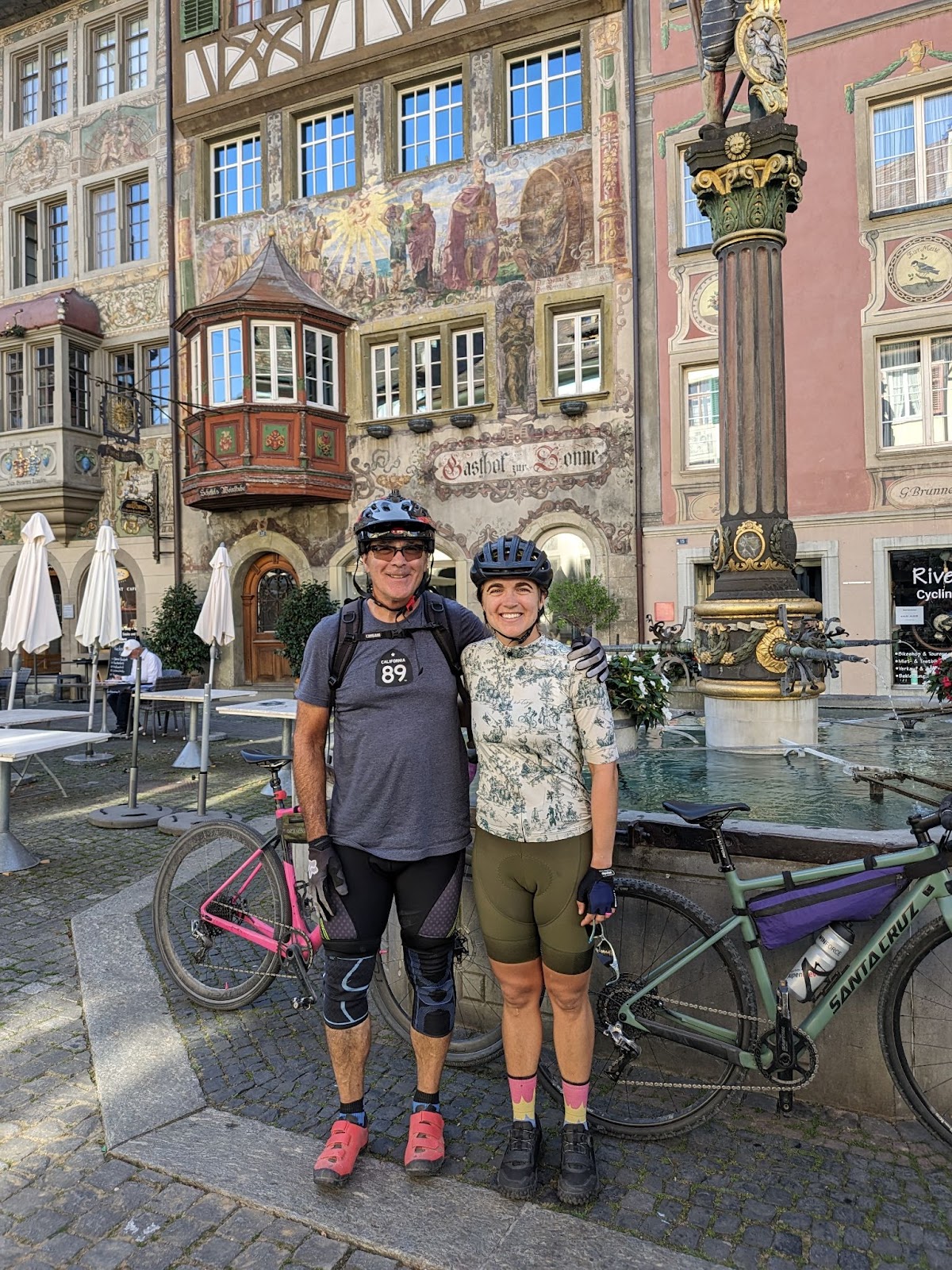
Rich and Lisa in Stein am Rhein. Exciting ride where we crossed the Swiss/German border 4 times! No passport needed.. -
Biketouring towards Self-Compassion
I burned out from work. I have a really hard time diving deeper into how that feeling manifested, as it wasn’t working incredibly long hours. It was a feeling that I discounted the contribution I was making at work because I felt that I, as a program manager, as a young woman, as a person without a computer science background, I was inadequate. I felt like the signals I was getting from everyone around me confirmed that. And that therefore made me a worthless person. Layer that onto having a subpar ski season while perusing strava and instagram where all my friends not only were performing well at their jobs but were doing massive feats of skiing, alpinism, biking, etc, I was also not fulfilling what I saw of what I needed to prove that I am a competent mountain athlete. Then, Freddy had a climbing accident this summer where he tore some ligaments in his ankle and broke his heel – I felt an immense responsibility to support him. It honestly all came to a breaking point, especially at work. I felt hopelessly glazed over when information came my way. Unable to process, unable to focus, only able to do small tasks to feel some sort of semblance that I was doing something, yet knowing deep down this isn’t forwarding my trajectory. I had no control of thoughts, my sleep suffered, my desire to see people outside of work also plummeted.
What I did right during this time is have an incredible support system. With the help and advice from my family, friends, colleagues, therapists and Freddy, I went on leave from work for 6 weeks.
But why did I decide on a bike trip? There were many factors that led into this. In the practical sense, I didn’t want to stay at home the Monday after beginning my time off and wallow in shame of not being at work. I needed to get out of the house. The more complex reasoning, which I can’t explain rationally, is this feeling that I wanted to make biking my own. For I was labeled, through fault of others and my own, that I didn’t like it. This distaste came from always being the beginner in the group, and honestly after years of feeling like the worst, the thing that starts as a joke wears on you until you decide to actively revolt against that joke. Yeah well if I suck at biking, I never liked it anyways and it’s stupid. It had been almost a year since I had touched my mountain bike.
But this battle was still stewing within. I wanted to prevail, the winner in my self-imposed fight. I wanted to say to those who I feel are judging my abilities: Not only am I a mountain biker, but I’ve done a solo multi-day mountain bike route through the Alps with more vert per mile than the Colorado Trail. How about that?! So yes, this decision was fueled by ego, but what this turned out to be instead was a journey toward self-esteem and compassion. A curiosity emerged when I replaced “I fucking hate this” to “I’m learning.” Being alone gave me so much leeway in that pendulum of response, instead of if others were watching my triumph and suffering. I felt no external pressure to perform, to send something that scared me, to yell in anger, to complain, to have something to talk about. I walked my bike and took breaks wherever I pleased. I racked up my highest vert and longest days in the saddle ever. A coach of mine told me to write mantras on my bike “trust yourself” and “growth mindset.” As tacky as it felt to tape words of affirmation to my handlebars, everytime I looked at them, I felt so proud of myself for just being there. I am no expert, but I know I have made mountain biking my own, and biking through the beautiful mountains brought me healing.
Here’s a recap of each day to give you a flavor of what the biking was like and how I felt.
Day one: Andeer to Thalkirch (Safiental)
Mileage: 38.55km; Vert: 1,729 m
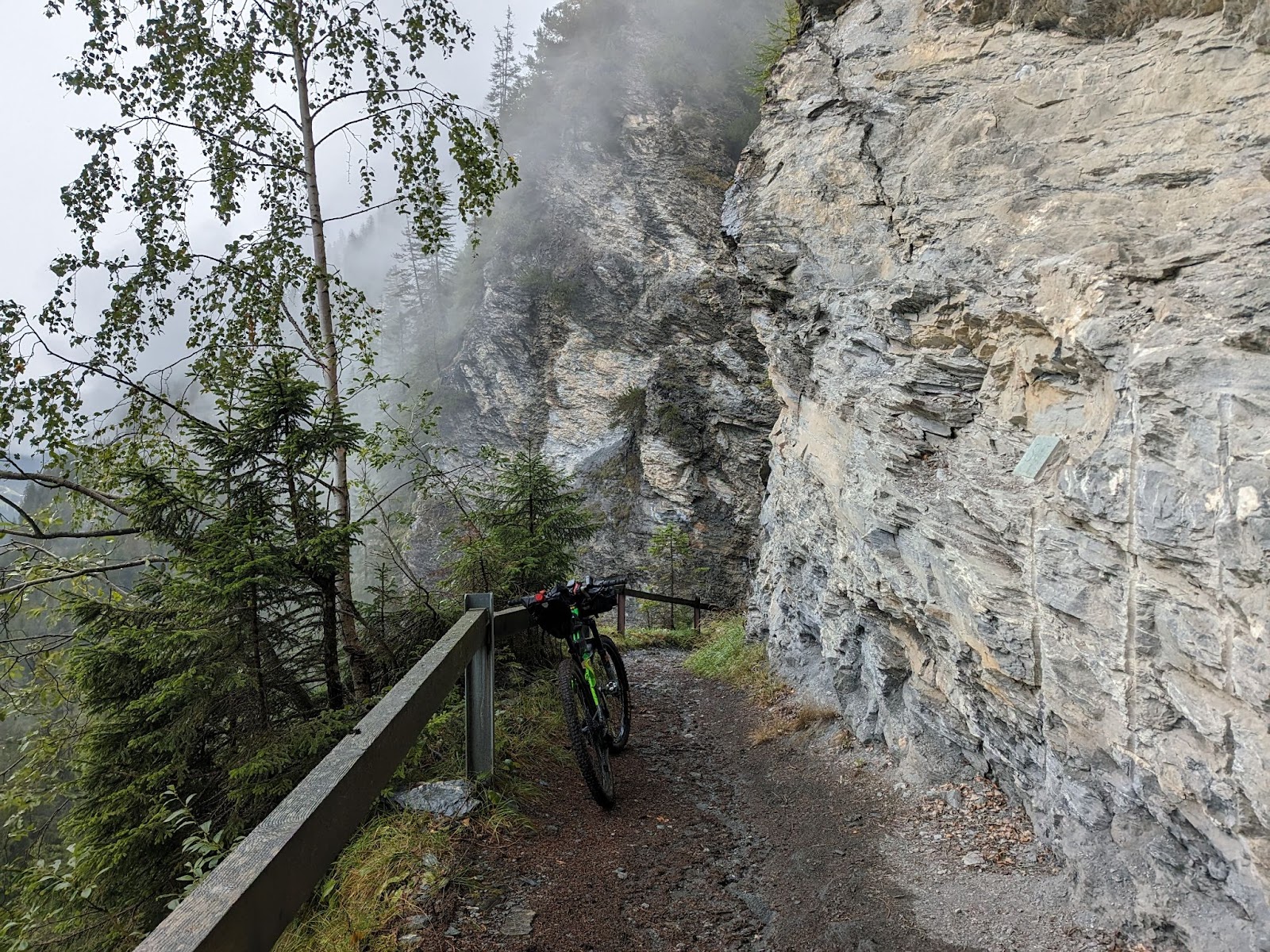
Best pictures:Biking through Viamala Gorge, wet and beautiful Steep, exposed old mule trail from Glaspass to Safien. This section had a railing, but I assure you, many parts didn’t, including a section where I walked my bike through a waterfall… 
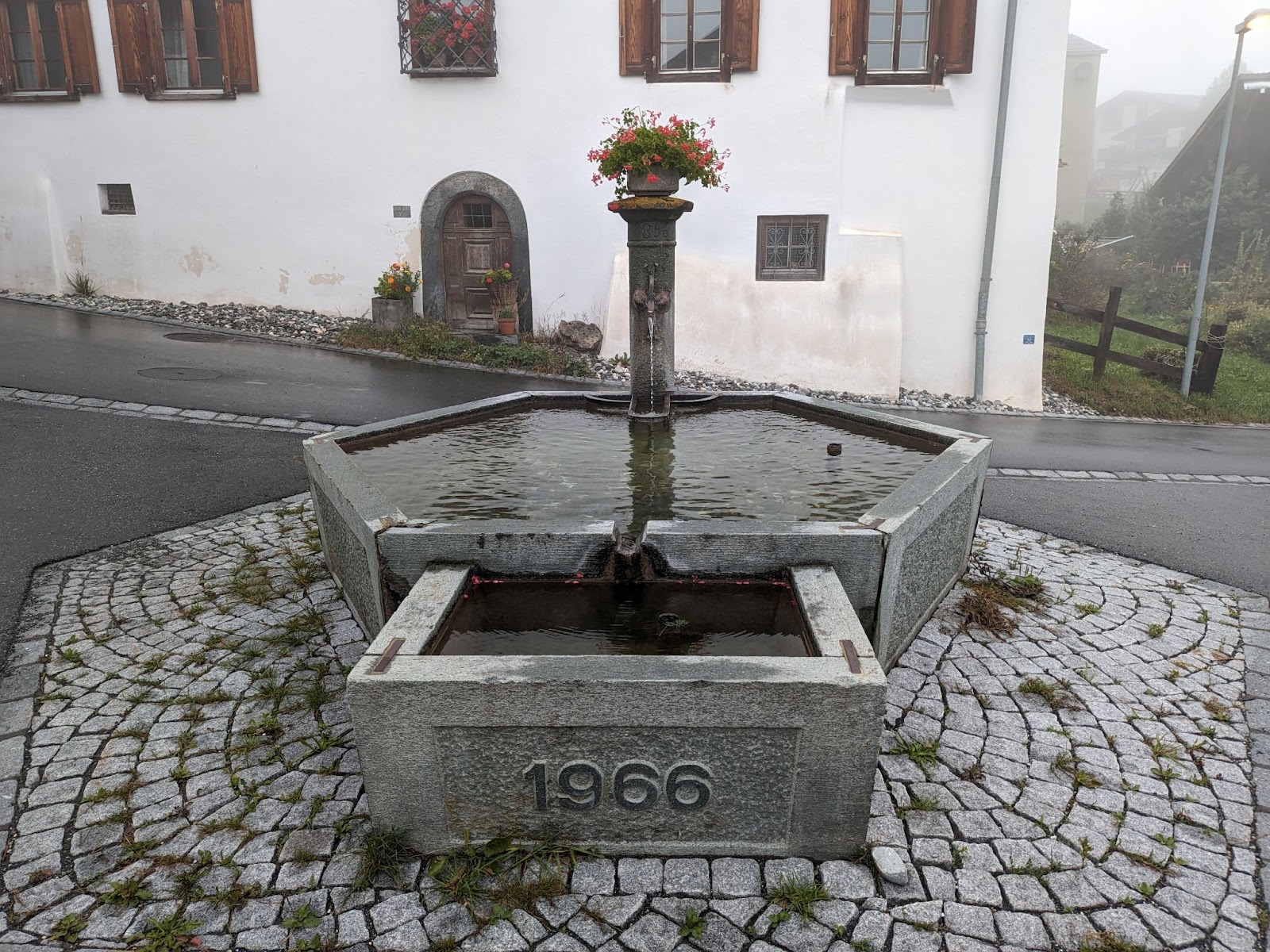
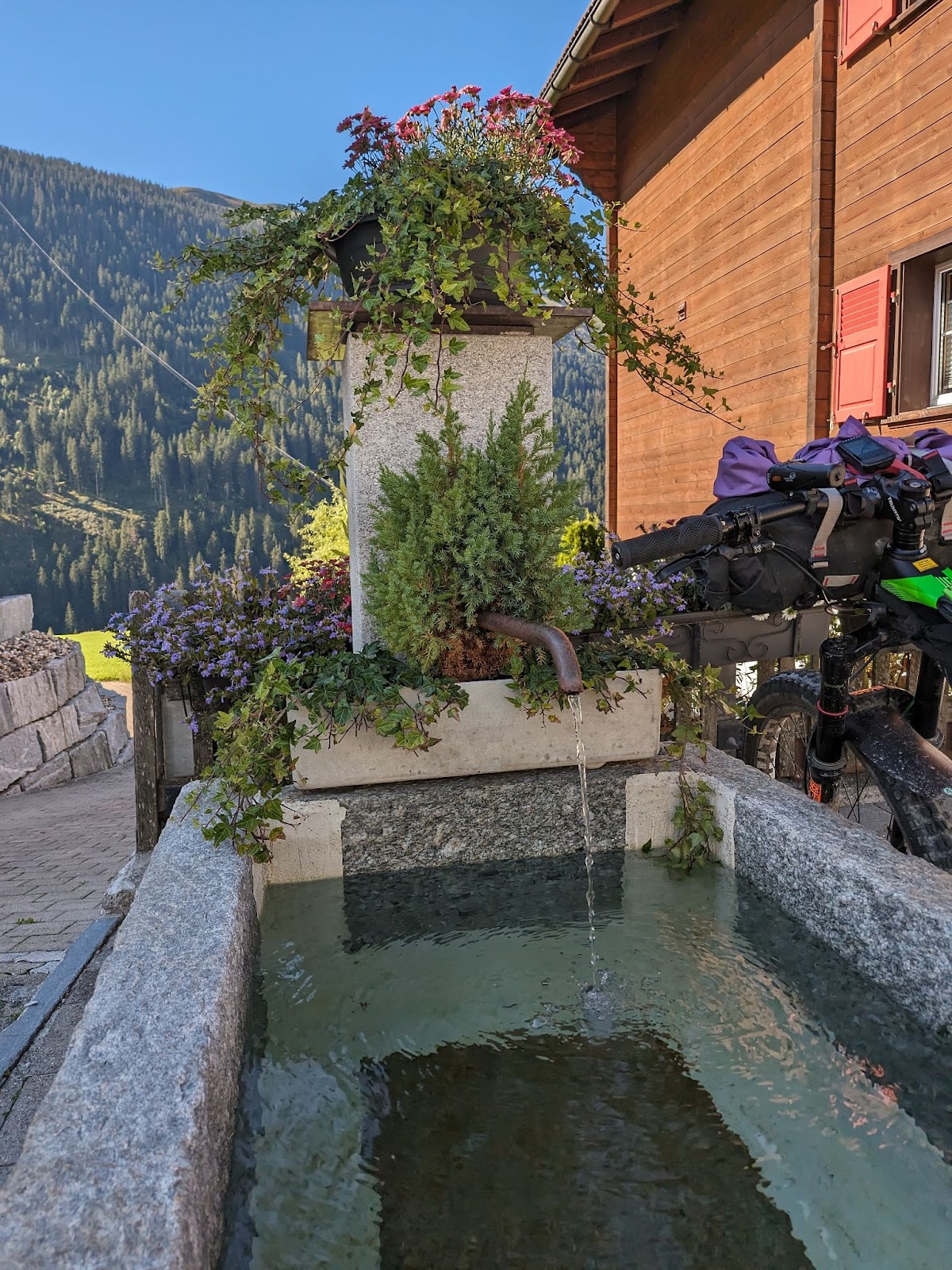
Smiling because I finally made it down! Note that I’m wearing ski gloves on August 29th.. Best Water Fountain: In Urmein
For even more background, the day before, Monday, August 28th, I took the train with my bike to Bergun to meet Kathy and Steve. A proper gail was passing over San Bernadino Pass, swelling rivers over their banks, delivering almost 4 inches of rain to the region and snow in the high mountains. It was the perfect day for me to start my bike trip.. Since I needed to get out of Zurich, I convinced Kathy and Steve to go to the Albulla train museum with me. I’d highly recommend it! It gives good detail on the Rhaetian Railway with tons of fun pictures and a nice model train exhibit as well. I stayed with them in Andeer, and got started the next morning.
The ride started downhill through the Viamala Gorge, where waterfalls mistily tumbled down its high walls. Once in Thusis, I began the very long climb up to Glaspass in the rain. The route varied from farmer 4×4 roads to the paved way. At Glaspass, I was very cold and wet, but it was Tuesday, which means “Ruhetag” and the restaurant I planned to eat lunch at was closed. So I kept going with all my clothes on, frigid and gripped on an old mule trail that has no business for bikes. It became clear in the thick fog along the sheer mountainside, that even with all the hard work of biking up, I would be walking my bike down this mountain. It was not until I made it to the bridge to cross to Safien-Platz that I resaddled. I finished the day by biking up the road to Thalkirch to make a dent on the next day. I stayed at the Turrhaus, which is a no frills bunk house at the end of the valley. I sat with a nice couple from Dresden, and I felt so stupid after learning so much Swiss German that I couldn’t even say Fünf anymore. But they were nice and asked me tons of questions at my level and told me about their road trip to Yosemite when they were young.
Day 2: Thalkirch to Lumbrein
Mileage: 41.81 km; Vert: 1460 m
Best Pictures:

Top of Tomulpass, very brutal 
My shoes and socks were perpetually wet. Bike booties helped a lot to keep me warm, but my shoes never smelled the same since. 
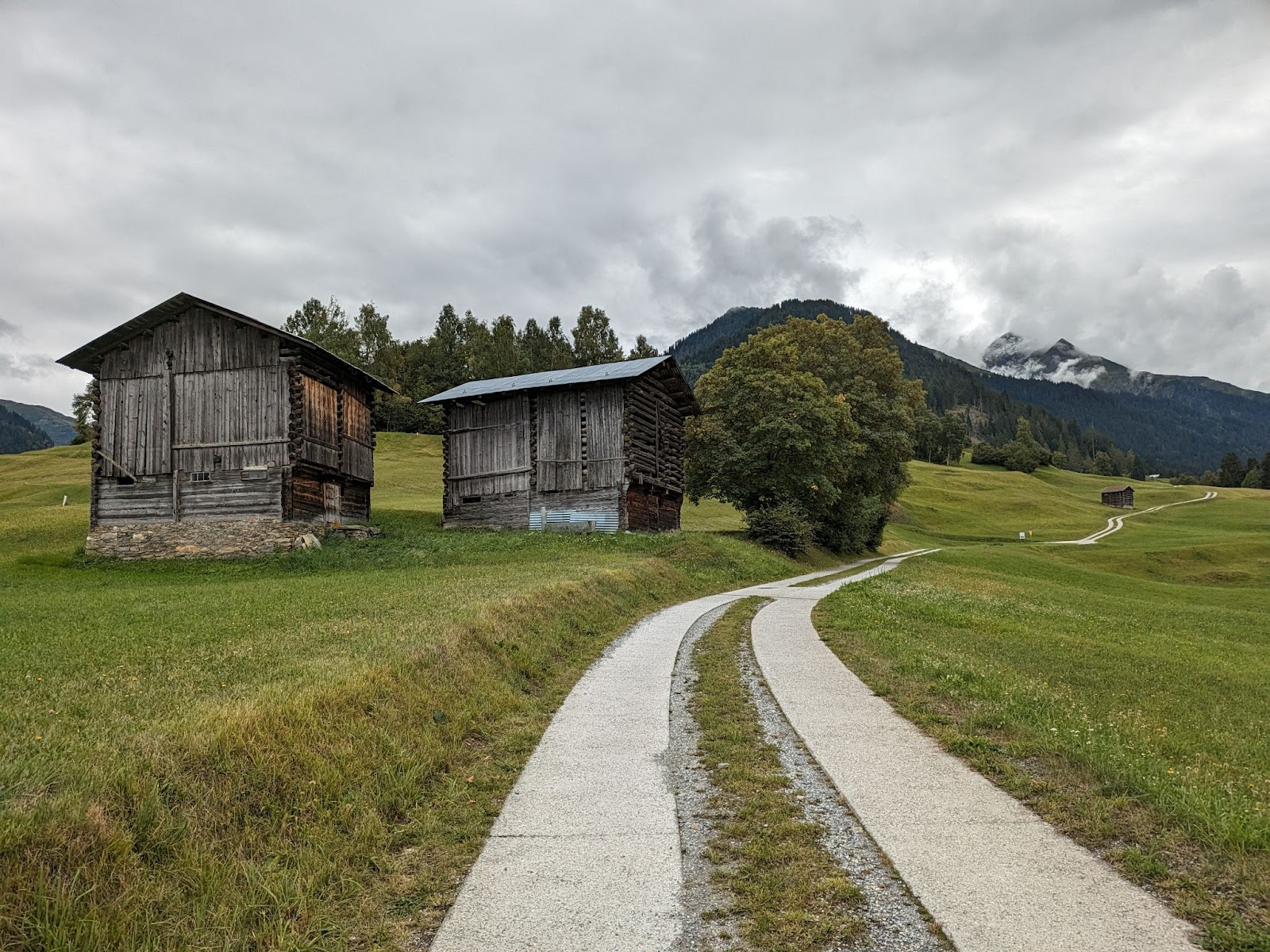
What do you think this cow is thinking? Most idyllic riding, well graded, in the forest in Val Lumnezia
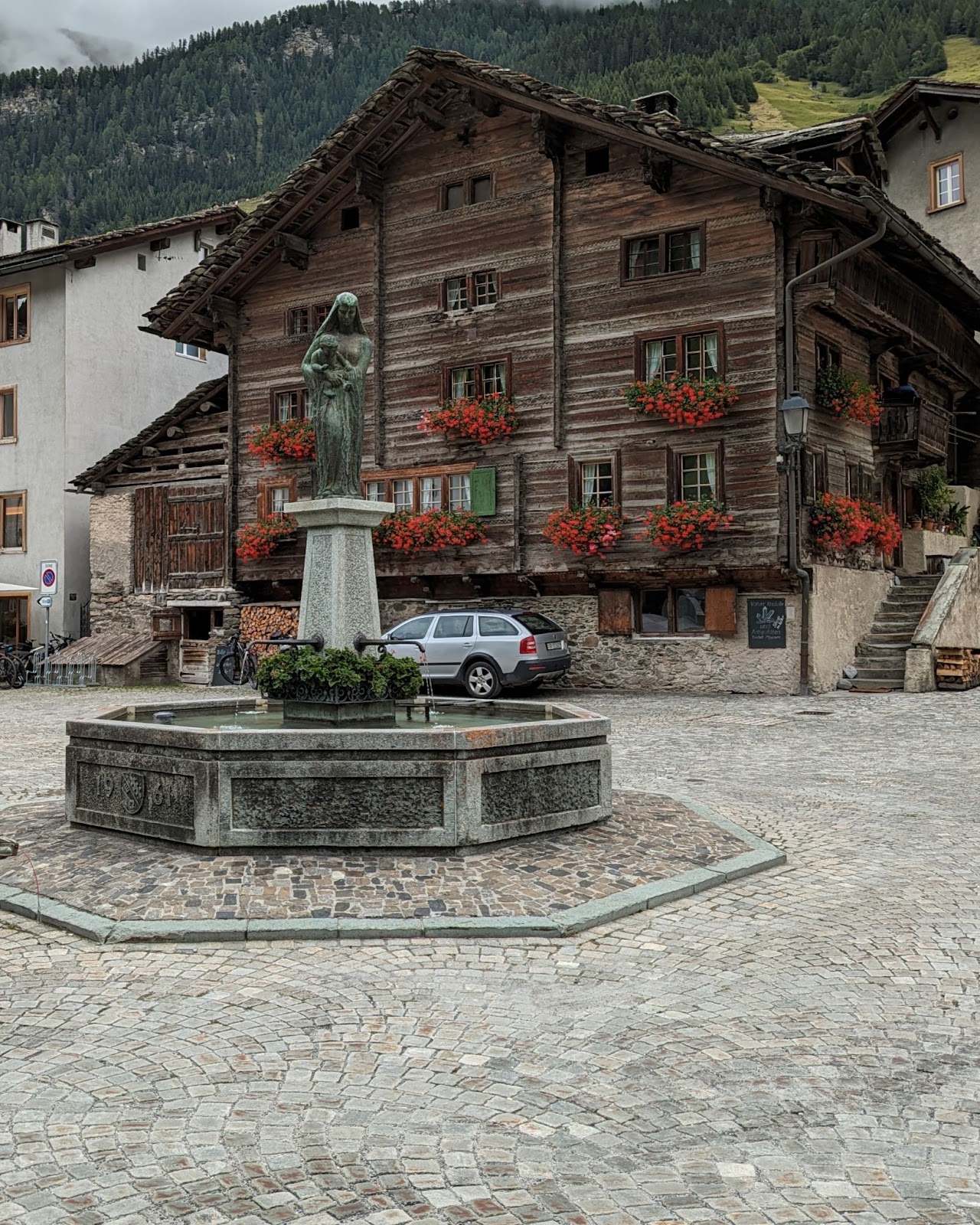
Best Water Fountains: ValsThe Dresden couple seemed anxious about my ride up to Tomulpass, and like most older German-speaking folks, they let me know they didn’t think it was safe being alone. I assured them about my inReach and REGA and went on my way.
This climb was also relentless with sustained sections of 20%+ grade. It only took one push section to realize that pushing a loaded bike SUCKS. So I would gun it, grinding on the pedals with all my might as to not walk and push. Then came the snow, clumpy and wet in contact with the warm summer earth. It blocked my wheels from spinning, leading me to take a slow fall, unable to get my foot out on time. That was the first time I cried on the trip. So I pushed the bike the last 200 vertical meters to the Pass at 2400 MASL. Biking down on snow also seemed sketchy, but at that point I was so over being wet and cold that I went for it. The Tomulboden was incredibly beautiful, full of high meadows and stunning waterfalls. This descent was a highlight of the trip. I made it down to Vals, a ritzy Swiss mountain town and had a delicious soup while apologizing to the patron for tracking in so much mud.
The last highlight was biking through a perfectly graded gravel road in the forest above the town of Uors. It was quiet, smelled incredible, and was the best continuous biking I’d had so far. I ended in the town of Lumbrein, a quaint Romansch speaking enclave in Val Lumnezia. I felt like I was meant to be right where I was.
Day 3: Lumbrein to Sedrun
Mileage: 61.68 km; Vert: 2017 m
Best Pictures:
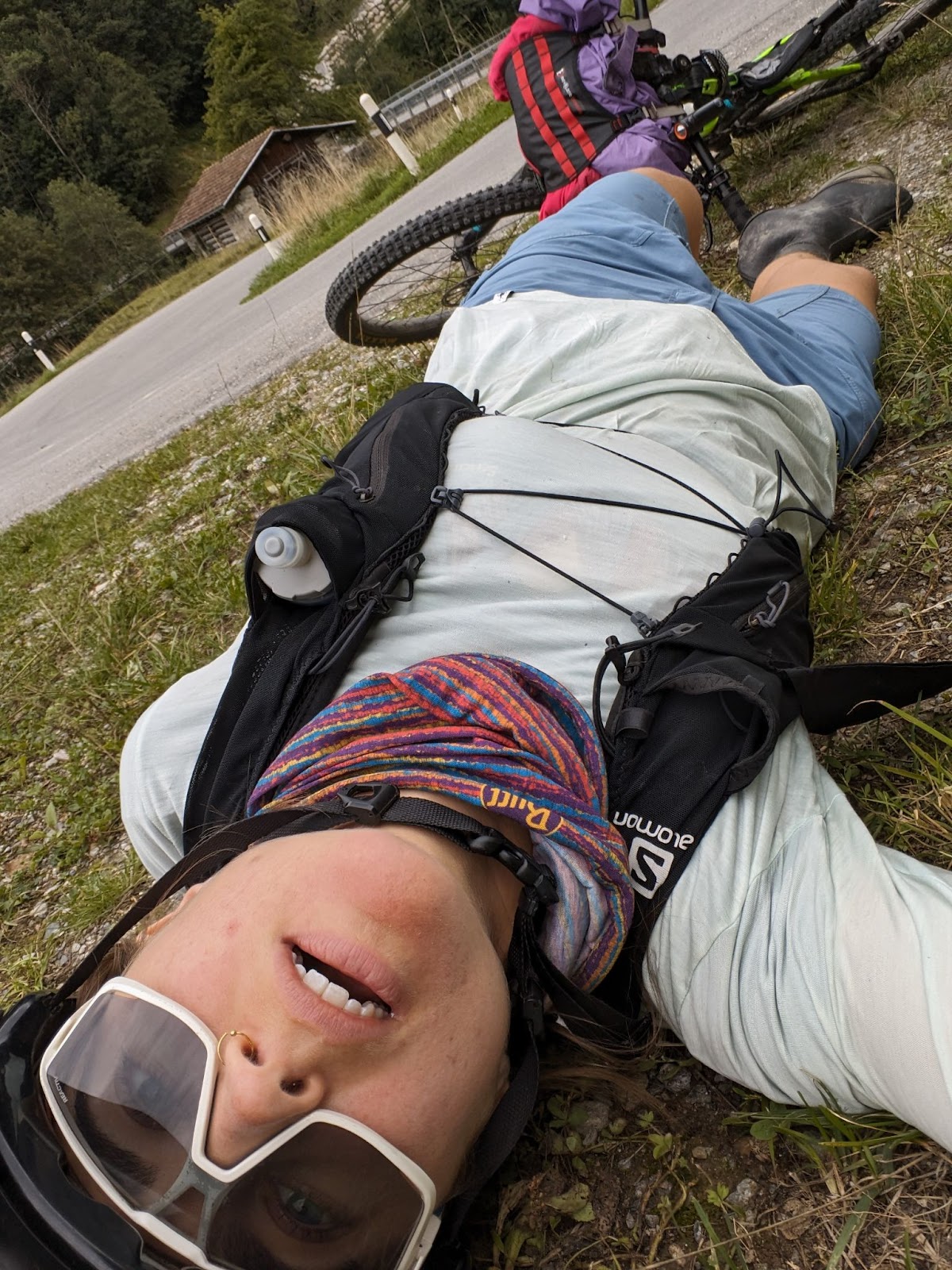
Girl who doesn’t want to bike anymore: a self portrait Start of the descent into Obersaxon. So beautiful! Cows enjoying their million dollar view! Best Water Fountain: Mumpe Medel
The day started off as all summer days in the Swiss Alps do: with church and cow bells ringing to welcome the warm sun. I said goodbye to Val Lumnezia with a sweaty climb over a pass that brought me to Obersaxon. This is where I met fellow bikers also on the Alpine Route 1. In a particularly steep section as I pushed the bike, they wizzed by on E-bikes, one guy whispering “sorry.” I guess it meant something.
The descent started at 2079 MASL and kept going to Trun at 840 MASL. By the end my hands were so tired of breaking. It meandered through Cat Tracks in a ski area, steep grassy hiking trails, and road. I continued up the Rhine to Disentis, where I called Freddy who encouraged me to keep going. I was really worried about the next day over Maighels, so I needed to get as close as I could.
I biked up past the village called Mumpe Medel, traveling high above the Vorderrhein, taking in the breathtaking scenery on a delightful gravel path. It was not the fastest way to Sedrun, but certainly memorable. I was so tired by the time I got to the hotel, I ate a whole Poulet by myself for dinner.
A note on my accommodations: I stayed at bunk houses, Jugendherbergen, and hotels. I would have an idea of where I wanted to make it to every night, and once I was there, I would look on Google maps for the cheapest place in town, then bike over and see if they would give me a better rate.
Day 4: Sedrun to Andermatt
Mileage: 30.09 km; Vert: 1225 m
Best Pictures:

She made it to the Pass Maighels! I earned this shot! 
Val Maighels – stunning and muddy! My descent that I couldn’t actually bike, more walking down and cursing.. Best Water Fountain: Sedrun
This day somewhat broke me. I was familiar with the beginning, having completed it with Felipe last year. Once I turned off on the route the Maighels pass, the gradient and the challenge ramped up. The ascent started on a steep gravel road, where I was dodging cows and cowshit.
Then I reached this jaw dropping high meadow with a glacial-fed river braiding through it. At the end of the meadow, the trail to the pass was barely hikeable let alone bikeable. It took over an hour and a good cry to drag the bike over boulders and uneven stairs to make it to the pass. Finally! Sweet descent.
It did not take me long to realize that the descent would take as long as the ascent. The steep and sheer hiking trail was unrideable to someone who values her bodily safety. To maintain sanity, I focused on the beautiful scenery of rugged summits and alpine lakes. Just kidding, I mostly stewed in rage that I had pushed my bike up a mountain only to mostly push it right back down! I did however make it to Andermatt.
The day finished by saying hi to our friends Leslie and Felipe before taking the train back to Zurich. A perfect end to a great trip!
Gear

I felt like I was pretty weight conscious on this trip. I used everything I brought (except for medical/emergency stuff), but man it felt heavy! I used a handlebar bag that I would fill up as much as possible, a butt rocket that I would try to keep as small as possible (since it’s a dual suspension bike), my running vest (for things I though I would need during the day), a small snack bag that fit on the bike, and a repair kit that would also attach to the frame.
Working attire:
- 2 wool t-shirts that I swapped each day
- Sunhoody
- Loose shorts
- 2 detachable chamois that I swapped each day
- Lightweight puffy
- Rain jacket
- Light bike gloves
- Spring ski gloves
- Running tights
- 2 pairs of socks
- 2 pairs of underwear
- 1 sports bra
- 2 necktubes
- Neoprene shoes coves
- Helmet
- Sunglasses
Evening Attire
- Flipflops
- Clean shirt
- Pants
- Normal bra
- Clean socks
Additional
- 1 L water capacity
- Lock
- Bike computer
- Small medical kit
- Inreach
- Bike repair stuff
- Electronics
- Toilettries
- Kindle
- Notebook
- Sac a viande
-
Yolk and Steel

The perfect French omelet? It brings me no great pleasure to relate to you, dear reader, that I have in recent months been reduced to a miserable man. It is not wear and tear on my aging joints, dairy induced indigestion or an acute case of bovinophobia; instead my troubles lie in the kitchen. More specifically our new kitchen here in Zurich. The small space is efficiently equipped; we added a nice butcher block counter space, our knives are sharp, the coffee is excellent, when you open the window on our quiet city street the screech of the street car is distant. The compact refrigerator serves its purpose well. There is no ice machine but we make do with the fiddly little ice trays.
No, the source of my despair is a slab of smooth black ceramic glass. It features finicky touch buttons unhelpfully labeled with incoherent pictograms. It is our electric stove. This infernal contraption of modern cookery has conspired to curse my most ambitious concoctions and humblest chows alike. Upon meeting, I wanted to love this easy to clean, simple and eco-friendly cooking appliance. The first sign of trouble began with an errant drop of liquid flung from a wayward spatula. The appliance’s touch screen-like controls responded to the droplet first with a fusillade of sharp beeps and finally with an automatic turn off of all burners. Little did I know, this hydrological oddity would be the least of my issues. Throughout our months here and most pointedly in my efforts at replicating Jaques Pepin’s famous French Omelette, I have, however, become a broken chef.
The man, the myth the legend. It all began in November 2020 when my mother, of Baking Bedlamite fame, sent me a link to this video: link. The video is 3 hours long; a collection of short tutorials on essential french cooking techniques. Chopping an onion, sharpening a knife, decapitating a lobster, and most impressionably making a traditional french omelet. Those around me quickly grew tired of my exaggerated French accent and insistence on pronouncing tender as “taaaannnnnnnnnddderrrrrrrr”. Months later, in May, my good friend Conor and I were incapacitated in a car accident. I spent the first weeks of recovery lying on my back, often on the floor dealing with brutal back pain. My mom had mailed me a copy of Jaques Pepin’s fabulous autobiography The Apprentice and I devoured it. I spent endless hours lying on the carpet in the living room because of this book, often dreaming about food. One of my first extended upright adventures after the accident was propped up on a stool in front of the stove.
One of my post accident egg-sercises I recall chopping the parsley, whipping the three eggs into a tight curd and preparing for the operation from a prone position. Despite reviewing Pepin’s video countless times, my first french omelet was not only painful and uncomfortable in the making but also not an omelet at all and more like rubbery scrambled eggs suspended in undercooked egg. The taste of butter was enough to keep me going and over the next few months the egg consumption in our house exploded. Stick after stick of butter I toiled away over our gas stove furiously agitating and scraping. The omelets got better. I gained confidence. I started stuffing the occasional omelet. I sought out further inspiration: link (this guy is clearly a legend…) My heat was dialed, the recipe nailed and my technique improved.
In November 2021 we moved to Switzerland. We decided to start our kitchen over. Our previous set of cookery was all hand me downs from previous renters and odd bits and bobs from Kathy. We had recently seen a troubling segment on John Oliver’s show about the dangers of PFOAs and non-stick coatings so Teflon was out of the question. I settled on carbon steel for the omelet and frying pan. They are an excellent value, last forever, oven safe, approved by the pros! See this Cooks Illustrated review of the style. The deBuyer pans that showed up in the mail were beautiful, simple and professional looking implements. I imagined my distant descendants marveling at the all natural non-stick properties of old grandpa Fred’s perfectly patinated and seasoned omelet pan. I had grown well accustomed to guests of our old kitchen complimenting the exemplary seasoning of our Lodge cast iron pan and naively assumed I would be a natural and affectionate custodian of these new pans.
That illusion was quickly pierced by reality as I began the initial seasoning process. Instead of the whole pan turning a slippery looking golden brown, my attempts turned out blotchy and irregular. I was failing the fried egg test with sticking and scorching. After repeatedly hand scouring and reseasoning I, like any good millennial, turned to youtube. I quickly realized I was adding too much oil and switched to the oven method of seasoning which helped me achieve a beautiful, uniform and effective layer of seasoning. The fried eggs were gliding around the pan like pucks on an air hockey table and cooked sides achieved that smooth non-stick slipperiness I had long sought.
So then, time to try another omelet! Or so I thought… I had been finishing up work in the office and Lisa was in the kitchen making dinner. I ambled into the kitchen, happy to be done with my meetings where Lisa simmered a tomato sauce in my beloved pan. We had a lovely pasta dinner and I took my turn at the sink to do the dishes. When it came to my tenderly handled pan I found it devoid of its golden oily sheen and all seasoning comprehensively removed. I soon recalled the old “don’t cook acids in the cast iron” rule and sighed. Back to square one but at least I knew what I was doing this time. On the bright side, maybe the tomato trick would be easier than the tedious hand scrubbing with steel wool routine I’d been using previously to start anew. I was beginning to understand that these pans do need somewhat extraordinary attention compared to most other kitchen implements. I haven’t had the audacity to write a user manual for our house guests on how to clean and dry these pans. Instead, I insist on undertaking pan cleaning and maintenance myself for fear of my charges suffering an overzealous dish soap attack or the pernicious accumulation of rust while idle on the drying rack. Is it all worth it? For most, perhaps not, but I think you can tell by now that I am committed to making these suckas work.
Anyways, I had spent a considerable amount of oil and elbow grease learning how to properly season these pans and my non-stickiness was ready for the pinnacle of culinary achievement; the French Omelet. Which of course brings us back to the cursed cooktop. For the French omelet one needs a steady, consistent heat. On our stove however, each burner does just that, it burns. Or it’s off. It’s either Dante’s inferno or cold granite. Despite the 1 to 9 intensity settings, there is only one intensity: scorching. A setting of 5 seems to represent that for a given minute of cooking the element is off for 30 seconds and then blisteringly hot for the next 30 seconds. If a slab of butter is placed in a cold pan and placed on a level 5 burner it will sit passively for a number of seconds before the red glow of the heating element kicks in. From that moment you have 5-10 seconds to take action before things start sputtering. Soon afterwards, the 1 meter diameter hemisphere above the countertop crematorium is misted with scorching butter globules and a volcano exploration suit is required to approach the perditious pan much less attempt to adjust the stove’s stubborn touch controls. Unsurprisingly, the pans don’t like this treatment either. They end up being subject to the cruel forces of thermal expansion and contraction when so rapidly heated. The pans’ bottom flatnesses quickly got out of whack only exacerbating problems on the flat cooktop.
If you are by now guessing that this mischievous maillard-inducing hell-hob makes achieving the perfect French omelet near impossible, you would be correct. A burner on the same setting behaves very differently if it has just been turned on or if it has been on for a few minutes. The element has trouble heating the sides of the pan without scorching the bottom and the flatness issue makes for troublesome hotspots and sticky patches. I’ve adapted parts of my technique to include a splash of water in the egg mixture and a drop of oil in the lubricating butter to some benefit but the omelets are still inconsistent at best and scrambled eggs at worst (not necessarily bad scrambled eggs but certainly not the same plated experience as Pepin).
No one has observed this journey more closely than Lisa who spent more than one night dozing off to the sound of my soft curses and vigorous scrubbing as I seasoned, de-seasoned and re-seasoned my pretty pans late into the night. She in fact has been bugging me to write this account, perhaps as some form of therapy, for some time. For months I said “No! I will not write about this experiment until I achieve my grail! I cannot proceed without documentary evidence of a glistening, smooth and sumptuous lump of a french omelet. Bonus points for video of a tender creamy and perfectly cooked inside, slowly oozing out as a knife is withdrawn.” But alas, it is now summer in Zurich. The inconvenient burner preheating method I developed in cooler months is untenable on a hot summer day. I’m putting my dreams on hold and preparing for the return of omelet season. I will be back with a vigor that only Jaques Pepin can understand and I will master the perfect french omelet in my carbon steel pan.
PS: I think my secret weapon might be the addition of a standalone single burner induction cooktop. This thing might be the ticket and lots of fun for some other cooking fun too! Njori Tempo
Nice cheezy filling, overcooked on the outside, perhaps too runny on the outside. Still delicious. No where near perfect. Not actually that terrible… but also not smooth on the outside, sloppy presentation (shrooms hiding the pleat) and poor unifomrity of the omelet. still tasty. ugly but tasty. At least failure tastes good.